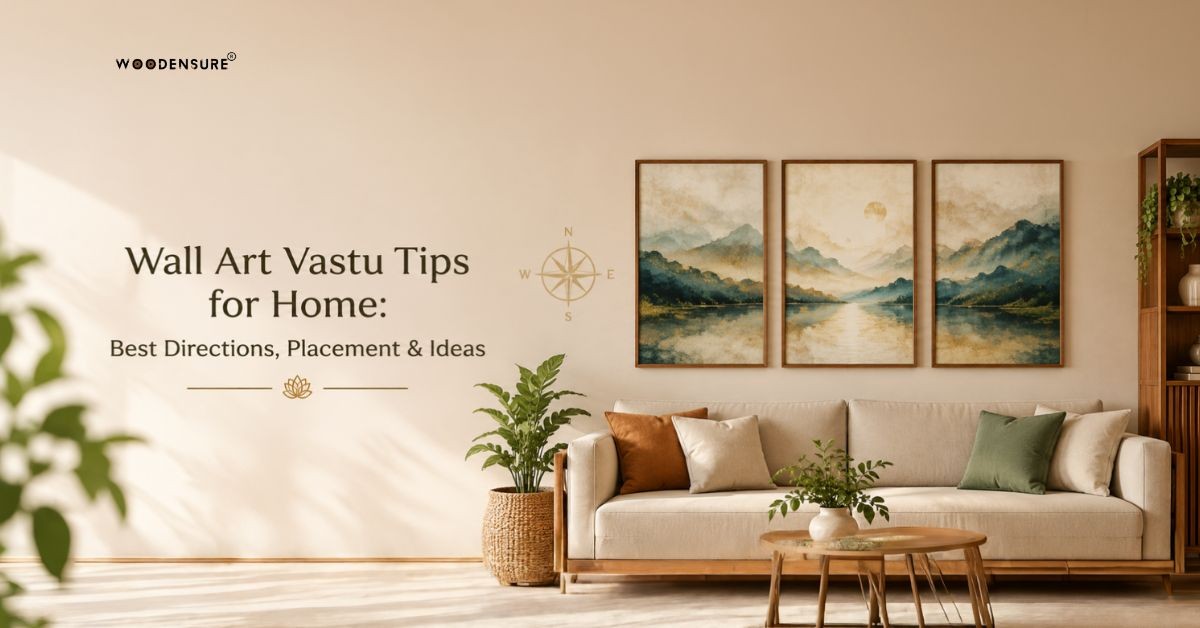
Wall Art Vastu Tips for Home: Best Directions, Placement & Ideas
Wall art can completely change the look and feel of a room. The right artwork can add colour, personality and visual balance to an otherwise empty wall. According to traditional Vastu principles, however, the direction, subject, colour and placement of artwork are also considered important when decorating a home.
If you are wondering which direction is best for wall art, what paintings are suitable for different rooms, or where to place wall décor according to Vastu, a few traditional guidelines can help.
In this guide, we explore wall art Vastu tips for home, including direction-wise recommendations, room-wise placement ideas, suitable artwork themes, colours to consider and common mistakes to avoid. We also look at how Vastu principles can be balanced with practical interior-design considerations so your home feels both harmonious and visually appealing.
Last Updated: 08 Sept 2026
Note: Vastu is a traditional Indian architectural practice. The recommendations in this article reflect commonly followed Vastu principles and should be considered alongside practical interior-design requirements, personal preferences and the specific layout of your home.
What Does Vastu Say About Wall Art?
According to traditional Vastu practices, different directions of a home are associated with different elements, qualities and energies. Because wall art occupies visible space and often becomes a focal point, its subject matter and colours are traditionally considered when deciding where it should be placed.
Vastu for wall art generally considers four things:
- Direction: The wall or room where the artwork is placed.
- Subject: What the painting or artwork represents.
- Colour: The dominant colours used in the artwork.
- Placement: Its position, height and relationship with surrounding furniture.
For example, calming nature-inspired artwork may be preferred in spaces designed for relaxation, while bright and uplifting artwork may work better in social areas such as living and dining rooms.
However, Vastu should not be the only factor. The size of the wall, furniture arrangement, lighting, colour palette and overall interior style are equally important for creating a balanced room.
Which Direction Is Best for Wall Art as per Vastu?
There is no single artwork that is universally suitable for every wall. Traditional Vastu recommendations vary according to direction, subject and the purpose of the room.
Here is a quick overview:
| Direction | Commonly preferred artwork themes | Practical consideration |
|---|---|---|
| North | Water, nature and calming imagery | Keep the artwork visually light |
| East | Sunrise, greenery and growth-oriented themes | Works well with bright interiors |
| West | Earthy, decorative and structured imagery | Coordinate with furniture and wall colour |
| South | Balanced, warm and visually grounded artwork | Avoid excessively negative imagery |
| Northeast | Peaceful, spiritual and natural imagery | Avoid visual clutter |
| Southeast | Warm and energetic themes | Use colours that complement the room |
| Southwest | Earthy, stable and grounded themes | Larger, substantial artwork can work well |
| Northwest | Light, airy and movement-oriented themes | Maintain visual balance |
These are traditional Vastu interpretations, not scientific rules. The most appropriate choice depends on your home's layout and the overall design of the room.
North Wall
The north direction is traditionally associated with water-related qualities and is often connected with themes such as flow, freshness and abundance.
For wall art, commonly preferred themes include:
- Water landscapes
- Rivers
- Calm lakes
- Natural scenery
- Blue and green tones
- Peaceful abstract artwork
A large water-themed artwork can become an attractive focal point in a living room, provided it works with the furniture and colour scheme.
East Wall
The east direction is traditionally associated with sunrise, light, growth and new beginnings.
Artwork featuring:
- Sunrise
- Green landscapes
- Trees
- Flowers
- Natural scenery
- Bright and uplifting imagery
can complement this direction.
East-facing wall art can work particularly well in rooms with plenty of natural light because the artwork can become part of the room's morning visual character.
West Wall
The west direction is traditionally associated with completion and grounding. Earthy or decorative artwork can therefore be considered for west-facing walls.
You can explore:
- Earth-toned artwork
- Landscapes
- Artistic patterns
- Decorative compositions
- Textured artwork
- Contemporary abstract pieces
From an interior-design perspective, warm artwork can pair particularly well with wooden furniture and neutral wall colours.
South Wall
Traditional Vastu recommendations for the south direction tend to favour balanced and visually grounded choices.
If you are decorating a south wall, consider artwork that:
- Looks positive and balanced
- Complements the room's colour scheme
- Does not create an overly heavy visual impression
- Works with the furniture arrangement
Instead of choosing artwork based solely on direction, consider the complete visual composition of the room.
Northeast Direction
The northeast is often considered an important direction in traditional Vastu. Peaceful, spiritual and nature-inspired artwork is commonly preferred here.
Possible themes include:
- Natural landscapes
- Soft light
- Flowers
- Peaceful water imagery
- Spiritual artwork
- Minimal artwork
Keep the area uncluttered so the artwork remains visually calm.
Southeast Direction
The southeast is traditionally associated with the fire element. Warm, energetic artwork may therefore be considered suitable.
Depending on your interior, you can explore:
- Warm colours
- Abstract artwork
- Artistic patterns
- Bright floral imagery
- Dynamic but positive compositions
Avoid allowing the artwork to overpower the room.
Southwest Direction
The southwest is traditionally associated with stability and grounding. Earthy and substantial artwork can complement this direction.
Consider:
- Mountains
- Earthy landscapes
- Wooden artwork
- Neutral abstract designs
- Heavier visual compositions
A large wooden wall-art piece can work particularly well where the interior already uses natural materials.
Northwest Direction
The northwest is traditionally associated with movement and air. Light, open and visually refreshing artwork may be suitable here.
Consider:
- Open landscapes
- Skies
- Light abstract designs
- Airy compositions
- Soft neutral colours
The artwork should complement rather than overcrowd the wall.
Read out: Wall Art for Living Room — Epoxy Resin vs Wooden Shelf vs Floating Shelf
Best Wall Art for Each Direction According to Vastu
If you want a simple way to choose artwork according to traditional Vastu principles, start with the subject and mood rather than focusing only on colour.
Nature Artwork
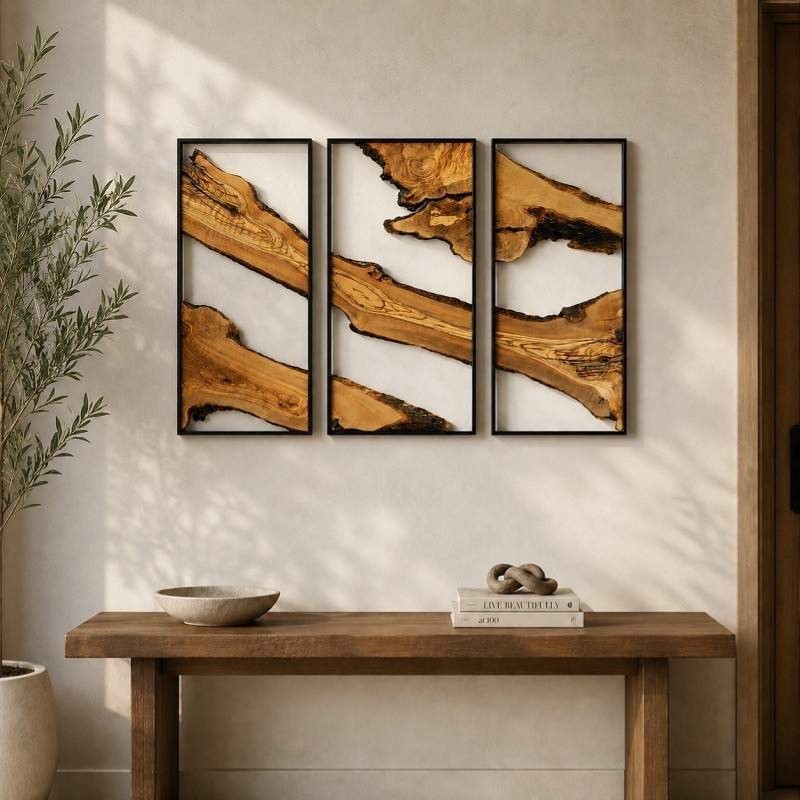
Nature is one of the most versatile choices for home décor. Trees, flowers, landscapes, greenery and peaceful outdoor scenes can create a relaxed atmosphere.
Water-Themed Artwork
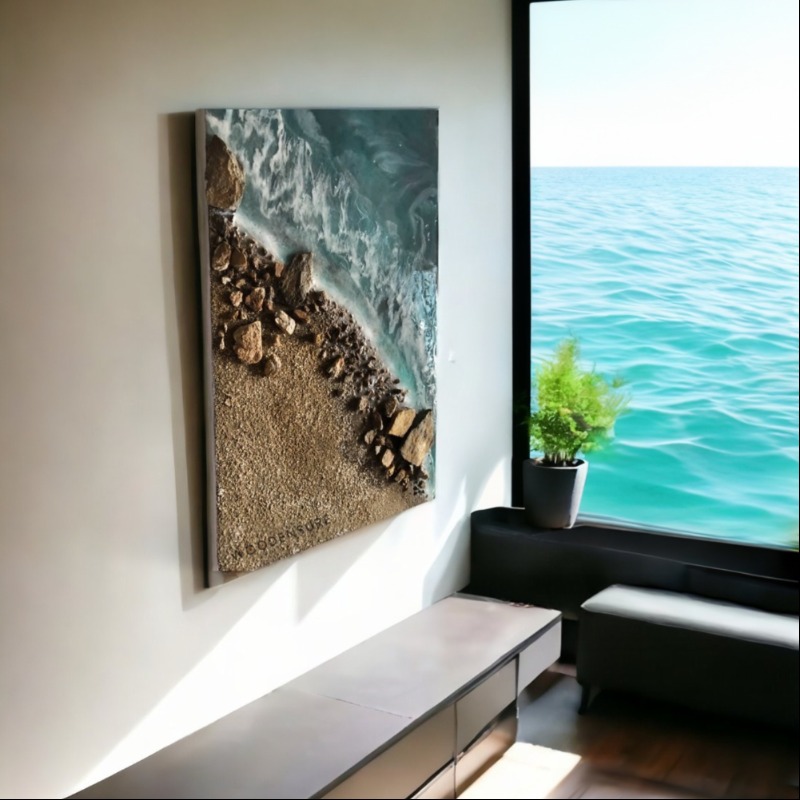
Water imagery is traditionally associated with selected directions, particularly the north. Lakes, rivers and calm water scenes can also introduce a visually refreshing element to modern interiors.
Mountain Artwork
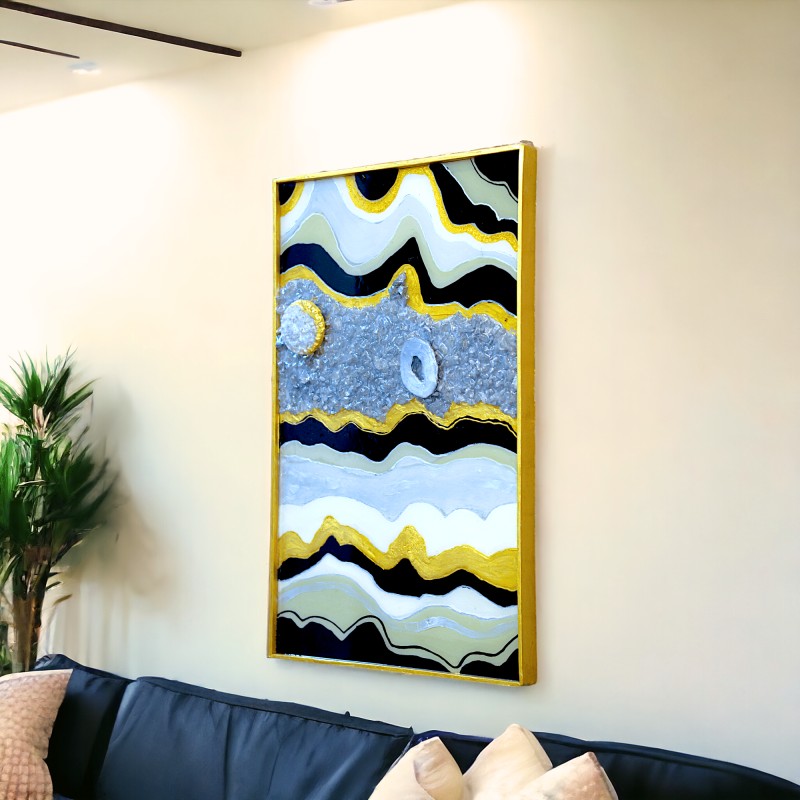
Mountain imagery can provide a strong, grounded appearance. It can work especially well as a statement piece in living rooms, offices or large open walls.
Floral Artwork
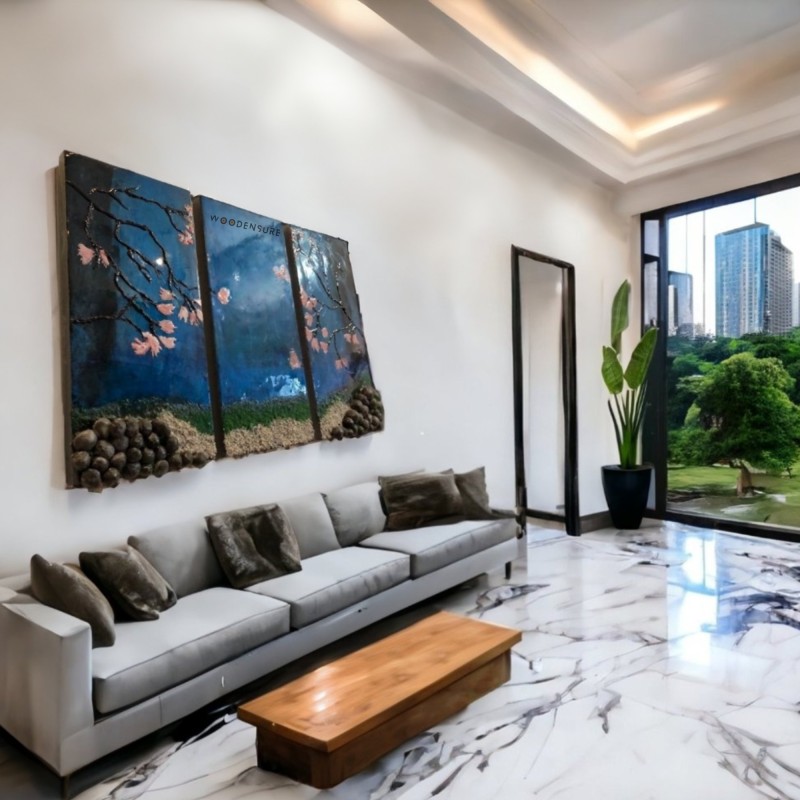
Flowers can add softness and colour to an interior. Floral artwork is particularly useful when a room needs a decorative focal point without making the space feel too heavy.
Abstract Artwork
.png)
Abstract art can work beautifully in contemporary Indian homes. Rather than choosing purely according to Vastu, consider the artwork's colours, shapes and emotional character.
A balanced abstract composition can provide a modern alternative to traditional paintings.
Wall Art Vastu Tips for Different Rooms
The best wall art depends not only on direction but also on the room in which it is displayed.
Living Room Wall Art Vastu
The living room is usually the most visible social space in a home, making it one of the best places for statement wall art.
For a living room:
- Choose artwork that creates a welcoming atmosphere.
- Consider nature, landscapes or balanced abstract designs.
- Match artwork colours with your sofa, curtains and flooring.
- Choose artwork according to the size of the wall.
- Avoid filling every available wall with decorative pieces.
A large artwork above a sofa can create a strong focal point. If you prefer a more contemporary look, a coordinated gallery wall can also work.
Wooden wall art and natural wood décor can be particularly effective in living rooms where the furniture already uses wood tones.
Bedroom Wall Art Vastu
Bedrooms generally benefit from peaceful and visually calming artwork.
Consider:
- Soft landscapes
- Flowers
- Nature
- Minimal abstract art
- Subtle colours
If artwork is positioned above the bed, make sure it is securely installed and appropriately proportioned.
Avoid overly dramatic or visually aggressive artwork if your goal is to create a relaxed bedroom atmosphere.
Dining Room Wall Art Vastu
The dining area is a social and interactive part of the home. Artwork featuring food, fruit, flowers, nature or warm decorative themes can complement the space.
For example, a tasteful artwork can be positioned on the wall adjacent to the dining table to create a coordinated dining setting.
You can also coordinate the artwork's wood tones with your dining table and chairs for a cohesive appearance.
Home Office Wall Art Vastu
Your home office should encourage focus without becoming visually distracting.
Consider:
- Minimal artwork
- Nature imagery
- Mountains
- Inspirational visual themes
- Clean geometric artwork
- Neutral or balanced colours
The artwork should support the room rather than compete with your desk, storage or lighting.
Entrance and Foyer Wall Art Vastu
The entrance creates the first impression of your home.
For an entryway, choose artwork that feels:
- Welcoming
- Positive
- Clean
- Balanced
- Appropriate to the available wall space
If your entrance includes a console table, you can position artwork above it while maintaining enough space between the artwork and furniture.
Which Paintings Are Considered Good for Home According to Vastu?
Traditional Vastu practices commonly favour artwork that creates a positive and harmonious visual environment.
Popular themes include:
- Nature: Trees, greenery and landscapes can bring a natural visual character to interiors.
- Flowers: Floral artwork can introduce softness, colour and decorative appeal.
- Sunrise: Sunrise imagery is traditionally associated with positivity, light and new beginnings.
- Mountains: Mountain scenes can create a sense of stability and visual strength.
- Water: Calm water scenes are traditionally associated with particular directions and can add freshness to a room.
- Abstract artwork: Balanced abstract compositions can work well in contemporary interiors when their colours and visual character complement the room.
The important point is to choose artwork that you genuinely enjoy looking at. A beautiful home should reflect both traditional considerations and the personality of the people living in it.
Wall Art Colours as per Vastu
Colour is another commonly considered aspect of Vastu-based décor.
Rather than choosing a colour simply because it is associated with a particular direction, look at how it interacts with the rest of the room.
Blue
Blue is commonly associated with calmness and water-related themes. It can work well in selected artwork, particularly when used in moderation.
Green
Green connects visually with nature and growth. Green artwork can add freshness to living spaces.
Yellow
Yellow creates a warm and bright visual impression and can work well in social spaces when balanced with neutral colours.
White and Neutral Shades
White, beige, cream and other neutral shades can create a clean and sophisticated appearance. They are particularly useful in modern interiors.
Earthy Colours
Brown, terracotta, muted green and other earthy shades can complement homes featuring natural materials such as wood.
Remember that colour recommendations based on Vastu are traditional beliefs rather than scientifically established effects.
Also read: 20+ Trending Bedroom Wall Colour Combinations You’ll Love in 2026
Where Should You Place Wall Art?
Choosing the right artwork is only half the job. Placement can dramatically change how the entire room looks.
Above the Sofa
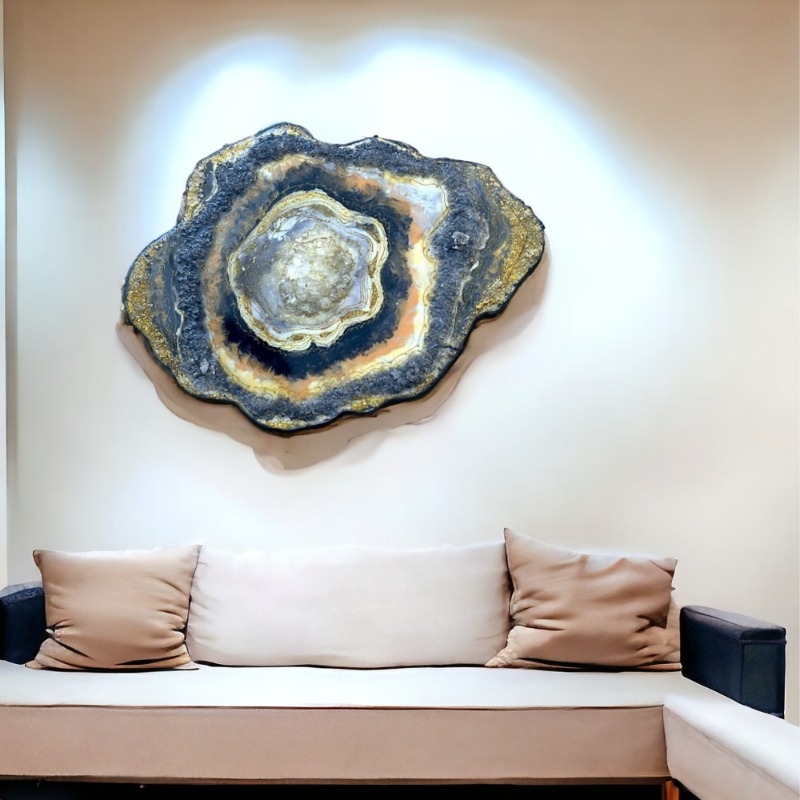
A large piece of artwork can create a natural focal point above the sofa bed.
As a general interior-design principle, the artwork should have enough visual weight to relate to the furniture below it.
Above a Console Table
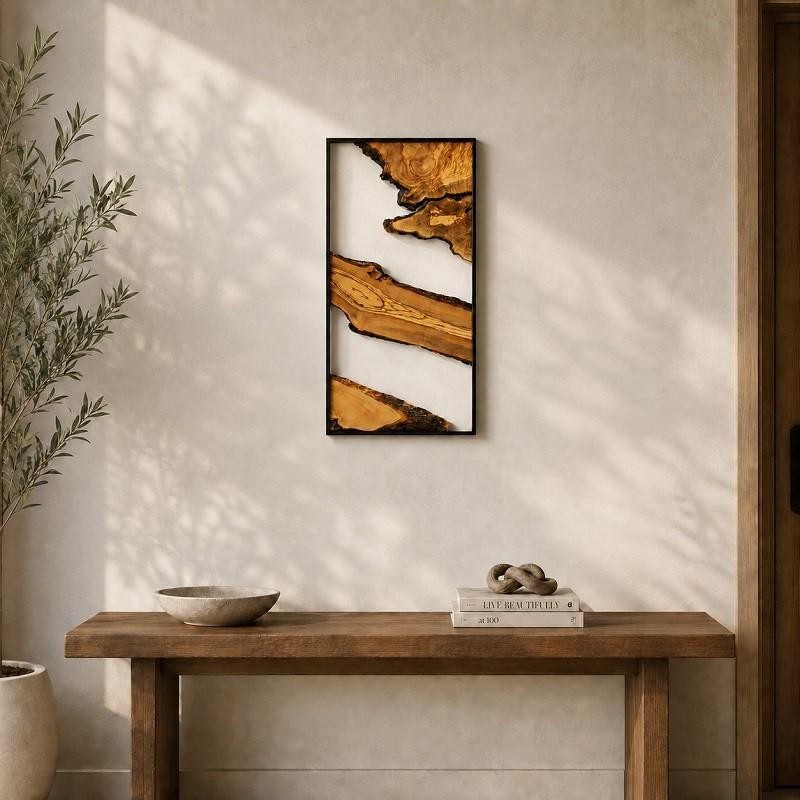
Artwork above a console table can create a polished entryway or living-room arrangement.
Leave sufficient breathing space between the furniture and artwork rather than placing the frame directly against the furniture.
Behind the Dining Table
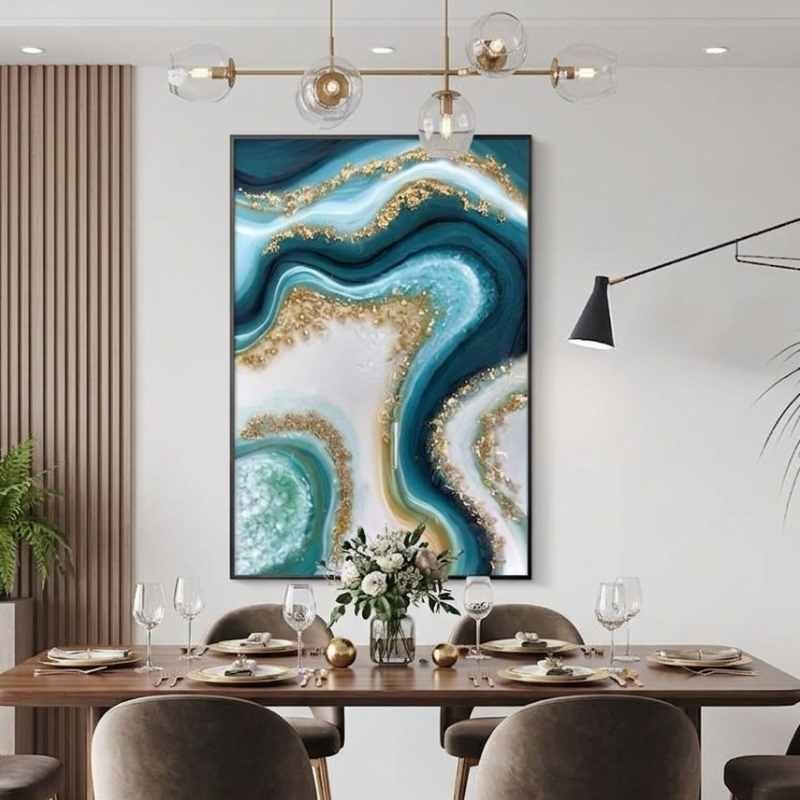
A dining wall can become an attractive focal point with one large artwork or a carefully coordinated collection.
On a Large Empty Wall
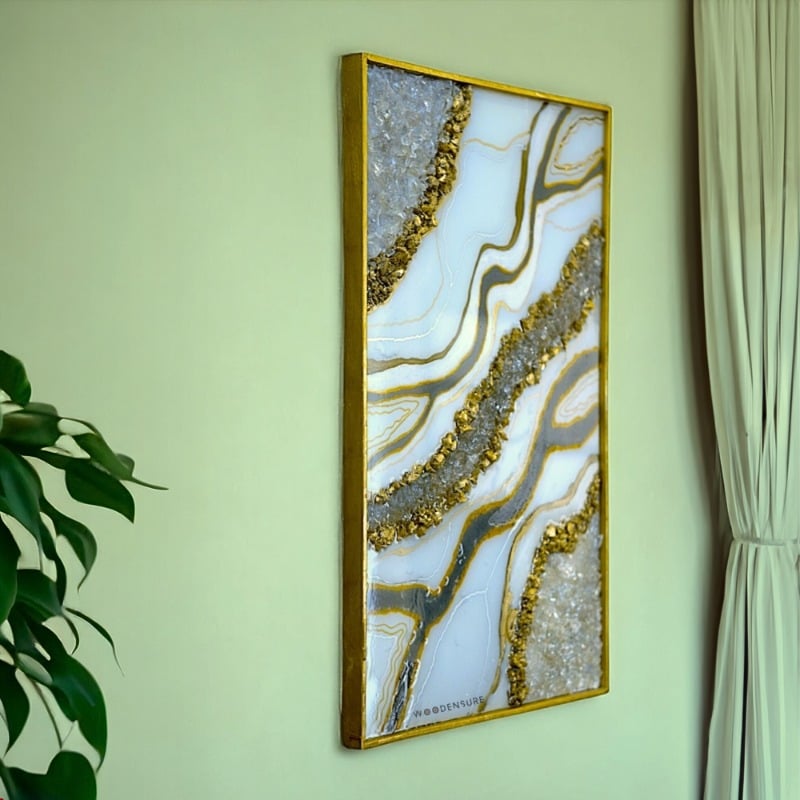
Large walls often require larger artwork or multiple pieces. Avoid placing a tiny artwork in the centre of a very large empty wall unless that intentional minimalist look is part of the design.
Gallery Wall
A gallery wall can work well when multiple artworks share a visual relationship.
Keep consistency through:
- Similar frame finishes
- A common colour palette
- Related subjects
- Consistent spacing
- Balanced overall proportions
Wall Art Vastu Mistakes to Avoid
Following Vastu does not mean covering your home with decorative objects. In fact, excessive décor can reduce the visual impact of individual pieces.
Here are some common mistakes to avoid:
1. Choosing Artwork Only Because of Vastu
A painting may technically fit a traditional recommendation but still look completely wrong in your room.
Consider the interior as a whole.
2. Using Negative or Disturbing Imagery
Many Vastu practitioners recommend avoiding artwork that creates an uncomfortable or negative visual mood.
If a particular artwork makes the room feel unpleasant, it may simply not be the right choice for your space.
3. Ignoring Proportion
Artwork should relate to the size of the wall and nearby furniture.
4. Creating Visual Clutter
Too many paintings, shelves and decorative objects can make a room feel crowded.
5. Ignoring the Existing Colour Palette
A painting should ideally complement the colours already present in the room.
6. Poor Placement
Even beautiful artwork can look awkward when it is too high, too low or incorrectly aligned with surrounding furniture.
7. Mixing Too Many Styles
Combining traditional paintings, ultra-modern abstracts and unrelated decorative pieces can create visual inconsistency.
Choose a clear design direction.
How to Choose Wall Art That Matches Your Home Interior
Once Vastu considerations are understood, shift your attention to practical interior design.
1. Consider the Furniture
Your wall art should complement your furniture rather than compete with it.
Wooden furniture pairs naturally with wooden wall décor, earthy artwork and neutral colours.
2. Look at the Wall Size
Large walls require artwork with sufficient visual presence. Smaller walls can benefit from compact pieces or carefully arranged artwork collections.
3. Match Your Colour Palette
Look at your sofa, flooring, curtains, rugs and furniture before choosing artwork.
4. Consider Natural Materials
Wood, especially, can introduce warmth and texture to a room.
Wooden wall art, decorative wooden panels and wooden shelves can add dimension while complementing other wooden furniture.
5. Maintain Visual Balance
Think about the complete wall rather than the artwork alone.
The artwork, furniture, lighting and surrounding décor should work together.
6. Choose Something You Actually Like
Vastu considerations can guide your selection, but your home should ultimately feel personal.
A piece of artwork that you enjoy seeing every day is more valuable than choosing something solely because a rule says it is suitable.
Vastu + Interior Design: Finding the Right Balance
The best approach to Vastu-inspired décor is not to treat traditional principles and interior design as opposing ideas.
Instead, combine them.
Start with the traditional considerations:
Direction → subject → colour → placement
Then add practical design considerations:
Wall size → furniture → room function → lighting → personal style
For example, if a living room's north wall is being decorated, traditional Vastu principles might guide you toward selected nature or water-related artwork. Interior design principles can then help you determine the appropriate size, frame, colour palette and position relative to the sofa.
This approach creates a home that feels intentional rather than overly rule-driven.
Bring Vastu-Inspired Wall Décor Into Your Home
Wall décor becomes much more effective when it is considered as part of the complete interior.
Instead of choosing every decorative element separately, think about how your wall art, wooden décor, shelves, console tables and furniture work together.
Natural materials such as wood can add warmth and texture to modern Indian interiors. A carefully selected wooden wall piece can become a focal point while complementing wooden furniture elsewhere in the room.
If you are planning a new interior, start by deciding the function of each wall, the furniture arrangement and the overall colour palette. You can then use traditional Vastu considerations to guide the subject, direction and placement of your wall décor.
Final Thoughts
Wall art is more than a decorative finishing touch. It can define a room's focal point, introduce colour and texture, and influence how balanced the overall interior feels.
When following Vastu, consider direction, artwork subject, colour and placement. At the same time, don't overlook practical interior-design principles such as proportion, furniture arrangement, lighting and personal style.
The best wall art is ultimately the piece that works within your home's layout while creating a visual environment you enjoy.
By combining traditional Vastu considerations with thoughtful interior design, you can create walls that feel intentional, attractive and connected to the rest of your home.
Author Bio
Woodensure is an Indian furniture and home décor brand specializing in thoughtfully designed wooden furniture and custom-made pieces. With a focus on quality craftsmanship, functional design and timeless aesthetics, Woodensure helps homeowners create comfortable and stylish spaces with furniture made for modern Indian homes.