
How to Clean Outdoor Furniture: Step-by-Step Guide for Every Material
Outdoor furniture makes your balcony, patio, garden, terrace, or backyard more comfortable and useful. But because it stays exposed to dust, sunlight, rain, moisture, bird droppings, food stains, pollution, and changing weather, it needs regular care.
The right cleaning method depends on the material. Wooden pieces need gentle wiping and quick drying. Metal frames need rust protection. Plastic chairs and tables need stain removal. Rattan furniture needs careful dusting between the weaves. Outdoor cushions need proper airing to prevent smell and mildew.
In this guide, you will learn how to clean outdoor furniture step by step for every major material, including wood, metal, plastic, rattan, glass, and fabric cushions. You will also learn what to avoid, how often to clean, and how to protect your furniture after cleaning.
At Woodensure, we work closely with solid wood furniture, so this guide focuses on safe and practical cleaning methods that help protect the finish, natural texture, and long-term durability of your furniture.
Quick Answer: What Is the Best Way to Clean Outdoor Furniture?
The best way to clean outdoor furniture is to remove loose dust first, wash the surface with a gentle soap solution, scrub lightly with a soft cloth or soft-bristle brush, rinse with clean water, and remove all moisture before using it again. Always clean according to the material because wood, metal, plastic, rattan, glass, and fabric cushions need different care methods.
For regular maintenance, dust patio or garden furniture weekly and deep clean it once a month. After rain, always wipe wooden, metal, and cushioned pieces properly to prevent stains, rust, swelling, or mildew smells.
Why Regular Cleaning Matters
Balcony, patio, and garden furniture face more dust, sunlight, moisture, and stains than indoor furniture. Even if the furniture is placed under a shade or balcony roof, it can still collect dirt, pollen, food marks, water stains, and pollution.
Regular cleaning helps to:
- Maintain the fresh look of the furniture
- Prevent stains from becoming permanent
- Protect wooden surfaces from moisture damage
- Reduce rust on metal parts
- Keep cushions fresh and odor-free
- Increase the life of the furniture
- Keep your balcony, patio, or garden clean and welcoming
If these pieces are not maintained properly, wood can become dull, metal can rust, plastic can stain, and cushions can develop smell or mildew.
Cleaning Supplies You Need

Before cleaning, keep these basic supplies ready:
- Soft microfiber cloth
- Soft-bristle brush
- Mild dish soap
- Bucket of lukewarm water
- Sponge
- Garden hose or clean water spray
- Old toothbrush for corners and gaps
- Baking soda
- White vinegar
- Dry towel
- Wood polish, outdoor wood oil, or sealant
- Rust remover for metal furniture
- Fabric cleaner for cushions
- Outdoor furniture cover
For most materials, you do not need strong chemicals. A gentle cleaning mix, soft wiping, and proper drying are enough for regular maintenance.
Before You Start: 5 Important Cleaning Rules
Before cleaning any type of furniture, follow these simple rules.
1. Check the Material First
Do not use the same cleaning method for every furniture type. Wood, metal, plastic, rattan, glass, and fabric all react differently to water and cleaners.
2. Test the Cleaner on a Hidden Area
Before applying any cleaner on the full surface, test it on a small hidden area. This helps you check whether the cleaner affects the color, polish, or finish.
3. Avoid Harsh Chemicals
Strong bleach, acid-based cleaners, and rough scrubbers can damage furniture surfaces. They may remove polish, fade color, scratch metal, or weaken fabric.
4. Do Not Leave Furniture Wet
After cleaning, always remove moisture properly. Damp surfaces are one of the main reasons behind rust, mildew, wood swelling, and bad smell in cushions.
5. Do Not Cover Damp Furniture
Never put a cover on wet furniture. Covering damp pieces traps moisture and can cause fungus, smell, rust, or stains.
How to Clean Wooden Outdoor Furniture
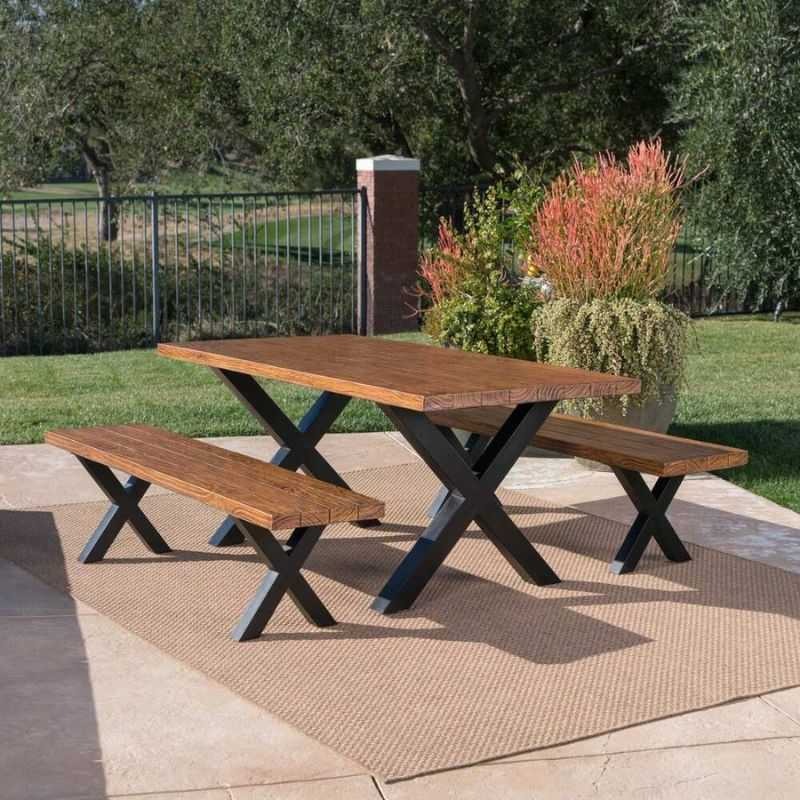
Wooden furniture gives a natural, warm, and premium look to balconies, terraces, gardens, and patios. But wood needs careful cleaning because too much water or harsh chemicals can damage the surface.
Quick Answer: To clean wooden outdoor furniture, remove dust with a dry cloth, wipe with a gentle soap solution, clean corners with a soft brush, wipe again with clean water, and dry the surface immediately with a towel. Do not soak the wood or use harsh bleach.
Step-by-Step Cleaning Process
Step 1: Remove cushions and accessories
Before cleaning the wooden surface, remove cushions, table mats, covers, planters, or decorative items.
Step 2: Dust the surface
Use a dry microfiber cloth or soft brush to remove loose dust, sand, leaves, or dirt. Pay attention to corners, joints, carvings, and gaps.
Step 3: Prepare a gentle cleaning solution
Mix a few drops of mild dish soap in a bucket of lukewarm water. Avoid strong detergent or chemical cleaners.
Step 4: Wipe the wood gently
Dip a soft cloth into the soapy water, squeeze out extra water, and wipe the wooden surface gently. The cloth should be damp, not dripping wet.
Step 5: Clean corners and joints
Use a soft-bristle brush or old toothbrush to clean corners, edges, and joints. Do not scrub too hard because it can damage the finish.
Step 6: Wipe with clean water
Use another damp cloth with clean water to remove soap residue from the surface.
Step 7: Dry immediately
Use a clean towel to wipe the surface well. Do not leave water sitting on the wood.
Step 8: Apply wood polish or outdoor oil
If the wood looks dry, dull, or faded, apply outdoor wood oil, polish, or sealant as recommended for the furniture finish. This helps maintain the natural look and adds a protective layer.
What to Avoid on Wooden Furniture
- Do not soak wooden furniture in water
- Do not use bleach
- Do not pressure wash solid wood furniture
- Do not use metal scrubbers
- Do not leave wooden pieces wet overnight
- Do not place them where water collects around the legs
Extra Wooden Furniture Care Tip
For Indian weather, wooden furniture needs extra care during monsoon and harsh summer. During heavy rain, keep it under shade or use a waterproof cover. In summer, avoid placing wood in direct sunlight for long hours because heat can make the surface dry or faded.
Also Read: How to Polish Wood Furniture: A Step-by-Step Guide for Beginners
How to Clean Metal Outdoor Furniture
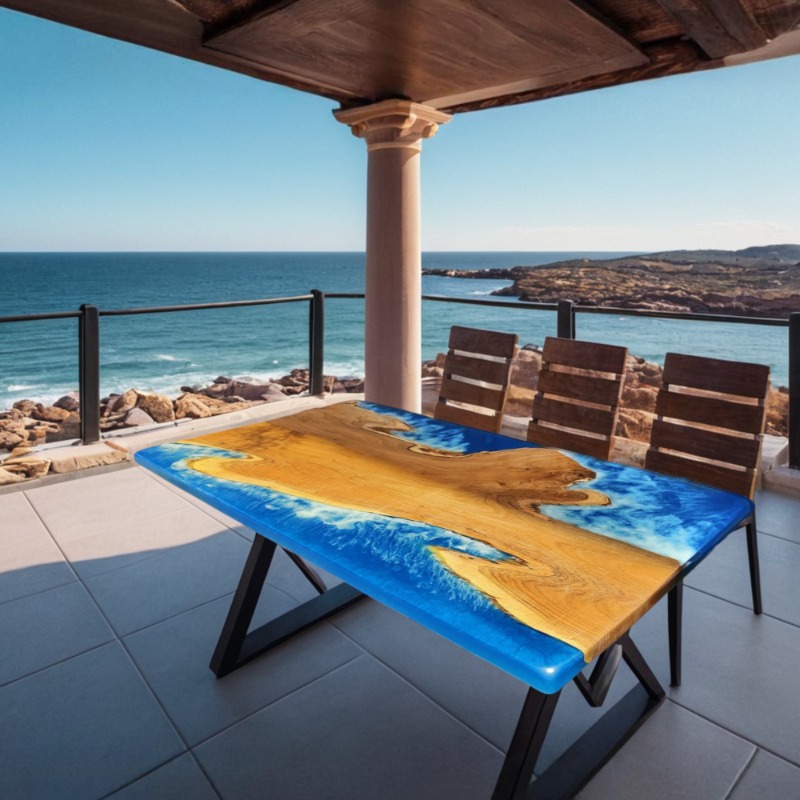
Metal furniture is strong and durable, but it can develop rust if moisture stays on the surface for too long. This is especially important for iron and steel frames.
Quick Answer: To clean metal outdoor furniture, remove dust, wash with a light soap solution, scrub gently, rinse with clean water, wipe it dry, and check for rust spots. If you find rust, clean it early and apply protective coating.
Step-by-Step Cleaning Process
Step 1: Remove dust and loose dirt
Use a dry cloth or soft brush to remove loose dirt, leaves, and dust.
Step 2: Wash with a gentle cleaner
Mix mild dish soap with water and wipe the metal surface using a sponge or cloth.
Step 3: Scrub corners gently
Use a soft brush to clean corners, joints, and decorative metal designs. Do not use rough wire brushes on painted or powder-coated metal.
Step 4: Rinse with clean water
Wipe with clean water or rinse lightly using a hose. Avoid using too much pressure.
Step 5: Wipe dry
Dry the furniture with a towel. Metal should not be left wet because moisture can cause rust.
Step 6: Check for rust
Look at joints, screws, bottom legs, and chipped paint areas. Rust usually starts where paint or coating is damaged.
Step 7: Apply rust protection
If you notice small rust spots, clean them early and apply rust protection or touch-up paint.
How to Remove Small Rust Spots
For light rust, you can use a rust remover or a paste made with baking soda and water. Apply it on the rust spot, scrub gently, wipe clean, let it dry, and apply a protective coating.
What to Avoid on Metal Furniture
- Do not leave metal furniture wet
- Do not ignore chipped paint
- Do not use hard scrubbers on painted metal
- Do not use strong acid cleaners
- Do not cover metal pieces when damp
How to Clean Plastic Outdoor Furniture
Plastic chairs and tables are lightweight and easy to maintain. However, they can collect dust, stains, and yellow marks over time, especially when kept in direct sunlight.
Quick Answer: To clean plastic outdoor furniture, wash it with a gentle soap mix, scrub stains with a soft brush, use baking soda paste for tough marks, rinse properly, and let it air dry in shade.
Step-by-Step Cleaning Process
Step 1: Remove loose dust
Wipe the plastic chair or table with a dry cloth.
Step 2: Wash with soapy water
Mix mild dish soap with water and clean the surface using a sponge.
Step 3: Use baking soda for stains
For stubborn stains, make a paste of baking soda and water. Apply it to the stained area and scrub gently with a soft cloth or brush.
Step 4: Rinse properly
Rinse with clean water to remove soap and baking soda residue.
Step 5: Dry in shade
Wipe with a towel and keep it in shade. Too much direct sunlight can make some plastic pieces look dull over time.
How to Clean White Plastic Furniture
White plastic shows stains more easily. Use soapy water first. For yellow stains or dirt marks, use baking soda paste. Avoid strong bleach because it can make plastic weak or dull if used frequently.
What to Avoid on Plastic Furniture
- Do not use hard metal scrubbers
- Do not use very strong bleach regularly
- Do not drag plastic furniture roughly
- Do not leave heavy stains for too long
How to Clean Rattan or Wicker Outdoor Furniture

Rattan and wicker furniture look stylish and natural, but dust can settle inside the woven gaps. Cleaning should be gentle, especially if the furniture is made from natural rattan.
Quick Answer: To clean rattan or wicker furniture, remove dust from the woven gaps using a soft brush or vacuum, wipe with a light soap solution, clean tight areas with a toothbrush, and let it dry in open air.
Step-by-Step Cleaning Process
Step 1: Remove cushions
Take off all cushions before cleaning the rattan or wicker frame.
Step 2: Brush or vacuum the gaps
Use a soft brush or vacuum cleaner to remove dust from the woven areas. This step is important because dust often hides inside the gaps.
Step 3: Prepare a mild cleaner
Mix mild dish soap with water. Do not use very strong cleaners.
Step 4: Wipe the furniture
Use a damp cloth to wipe the rattan surface. Avoid making natural rattan too wet.
Step 5: Clean gaps with a toothbrush
Use an old toothbrush to clean corners and between the woven strips.
Step 6: Allow proper ventilation
Keep the furniture in a well-ventilated area until all moisture is gone.
Natural Rattan vs Synthetic Rattan Cleaning
Natural rattan should not be soaked because too much water can weaken it. Synthetic rattan can handle more moisture, but it should still be dried properly after cleaning.
What to Avoid on Rattan Furniture
- Do not soak natural rattan
- Do not use harsh chemicals
- Do not scrub roughly
- Do not keep it in damp areas for long
- Do not cover it before drying
How to Clean Outdoor Cushions and Fabric Seats

Outdoor cushions make seating more comfortable, but they also collect dust, sweat, food stains, rain moisture, and mildew smell. Proper drying is very important for cushions.
Quick Answer: To clean outdoor cushions, remove loose dust, check the care label, vacuum the fabric, spot clean stains with mild soap, wash removable covers if allowed, and air dry them fully before placing them back.
Step-by-Step Cleaning Process
Step 1: Remove cushions from furniture
Take cushions off the chair, sofa, bench, or seating frame before cleaning.
Step 2: Shake off dust
Shake the cushions gently to remove loose dust and dirt.
Step 3: Vacuum the fabric
Use a vacuum cleaner to remove dust from the surface and seams.
Step 4: Check the care label
Before washing, check whether the cushion cover is machine washable, hand washable, or only suitable for spot cleaning.
Step 5: Spot clean stains
Mix mild soap with water. Use a soft cloth or sponge to clean stains. Do not rub too hard because it can damage the fabric.
Step 6: Wash removable covers
If the cover is removable and washable, wash it according to the care instructions.
Step 7: Air dry fully
Let cushions dry properly before placing them back. Moisture inside cushions can create a bad smell or mildew.
How to Remove Mildew Smell from Cushions
For light mildew smell, use a diluted vinegar-water solution on the affected area. Wipe gently and allow the cushion to dry in fresh air. Do not store cushions until they are fully dry.
What to Avoid on Outdoor Cushions
- Do not store damp cushions
- Do not use cushions before they are dry
- Do not use bleach unless the care label allows it
- Do not machine wash if the label says spot clean only
- Do not keep cushions outside during heavy rain
How to Clean Glass Outdoor Tabletops
Glass tabletops are easy to clean but can show fingerprints, dust, water marks, and food stains.
Quick Answer: To clean a glass outdoor tabletop, remove dust first, spray glass cleaner or diluted vinegar solution, wipe with a microfiber cloth, and finish with a dry cloth to avoid water marks.
Step-by-Step Cleaning Process
Step 1: Remove dust
Use a dry cloth to remove dust before spraying cleaner.
Step 2: Spray cleaner
Use glass cleaner or a mixture of vinegar and water.
Step 3: Wipe with microfiber cloth
Clean the glass using circular motions.
Step 4: Finish with a dry cloth
Use a clean dry cloth to remove any remaining moisture and streaks.
Glass Furniture Safety Tip
Avoid placing very hot items directly on glass tabletops. Use coasters, mats, or trivets to protect the surface.
Material-Wise Cleaning Table
| Material | Best Cleaner | Cleaning Frequency | What to Avoid |
|---|---|---|---|
| Wood | Gentle soap solution, wood oil, polish | Dust weekly, deep clean monthly | Soaking, bleach, pressure washing |
| Metal | Light soap solution, rust protection | Every 2–4 weeks | Leaving wet, harsh scrubbers |
| Plastic | Soapy water, baking soda paste | Every 2–3 weeks | Strong bleach, metal scrubbers |
| Rattan/Wicker | Mild cleaner, soft brush | Every 2–4 weeks | Too much water, rough scrubbing |
| Fabric/Cushions | Mild soap, fabric cleaner | Spot clean weekly | Storing damp, harsh bleach |
| Glass | Glass cleaner, vinegar-water solution | Weekly | Hard scrubbers, direct hot items |
How Often Should You Clean Patio and Garden Furniture?
The cleaning frequency depends on weather, usage, and location. Furniture placed on an open terrace or garden may need more care than pieces kept in a covered balcony.
Weekly Cleaning
Dust the surface using a dry cloth. Shake cushions and remove leaves, dirt, and loose dust.
Monthly Cleaning
Do a proper deep clean with a gentle cleaner according to the material.
After Rain
Wipe wooden, metal, and cushioned furniture soon after rain. Do not let water stay on the surface.
After Parties or Food Spills
Clean food stains, oil marks, and drink spills immediately. Fresh stains are easier to remove than dried stains.
Before Monsoon or Winter Storage
Clean the furniture properly, remove moisture, and cover it before storing.
Common Stains and How to Remove Them
| Stain Type | Best Cleaning Method |
|---|---|
| Dust and dirt | Dry cloth, soft brush, or vacuum |
| Bird droppings | Damp cloth with gentle soap |
| Food stains | Mild dish soap and warm water |
| Oil stains | Dish soap and soft sponge |
| Water marks | Dry cloth and mild cleaner |
| Rust spots | Rust remover or baking soda paste |
| Mildew smell | Diluted vinegar solution and proper airing |
| Mud stains | Let dry, brush off, then wipe clean |
Can You Pressure Wash Outdoor Furniture?
Pressure washing is not safe for every type of furniture. It may work on some strong plastic or metal pieces at low pressure, but it can damage wooden furniture, natural rattan, fabric cushions, paint, polish, joints, and delicate finishes.
For wooden furniture, hand cleaning with a gentle soap solution, a soft cloth, and quick drying is a safer option. For cushions and fabric seats, avoid pressure washing because it can push water deep into the foam and make drying difficult.
If you are not sure about the material, avoid pressure washing and use a gentle cleaning method instead.
How to Protect Outdoor Furniture After Cleaning

Cleaning is only one part of furniture care. Protection after cleaning helps your furniture last longer.
Use Furniture Covers
Cover your furniture when not in use, especially during rain, dust storms, or long travel periods.
Keep It Under Shade
If possible, keep your furniture under a roof, pergola, balcony shade, or garden umbrella.
Wipe After Rain
Do not let water stay on wooden or metal pieces. Wipe the surface soon after rain.
Store Cushions Indoors
During heavy rain or monsoon, store cushions indoors to prevent moisture and smell.
Apply Wood Polish or Sealant
Wooden furniture may need occasional polishing or oiling to maintain its natural finish.
Prevent Water Collection
Avoid placing furniture where water collects around the legs. Standing water can damage wood and metal over time.
Use Coasters and Mats
Use coasters, placemats, and table mats to avoid glass rings, food stains, and heat marks.
Cleaning Mistakes to Avoid
Many people damage their furniture by cleaning it the wrong way. Avoid these common mistakes:
- Using one cleaner for every material
- Using bleach without checking the surface
- Leaving furniture wet after cleaning
- Covering damp furniture
- Scrubbing wood with hard brushes
- Ignoring small rust spots
- Washing cushions without proper drying
- Using a pressure washer on delicate materials
- Keeping cushions outside during heavy rain
- Not cleaning furniture before long-term storage
These small mistakes can reduce the life of your furniture and damage the finish.
Expert Tips for Long-Lasting Outdoor Furniture
Outdoor furniture lasts longer when you clean it regularly and protect it from extreme weather.
Here are some practical tips:
- Dust your furniture once a week
- Deep clean it once a month
- Wipe it after rain
- Use covers when not in use
- Keep cushions indoors during monsoon
- Polish wooden furniture when the surface looks dry
- Check metal frames for rust spots
- Keep furniture away from standing water
- Avoid placing wood in direct harsh sunlight for long hours
- Clean spills immediately
For solid wood furniture, gentle cleaning and regular maintenance are very important. Wood is a natural material, so it needs care against moisture, heat, and dust. With proper care, wooden pieces can stay beautiful and functional for years.
Also Read: Furniture Care & Maintenance 101: How to Clean, Polish, and Protect
Final Outdoor Furniture Cleaning Checklist
Use this simple checklist to maintain your furniture:
- Dust weekly
- Remove stains immediately
- Deep clean monthly
- Wipe after rain
- Clean cushions separately
- Do not cover damp furniture
- Use protective covers
- Apply wood polish when needed
- Check for rust and loose screws
- Store cushions indoors during heavy rain
Conclusion
Cleaning outdoor furniture is easy when you know the right method for each material. Wood, metal, plastic, rattan, glass, and cushions all need different care. The safest method is to remove dust first, use a gentle cleaner, clean with a soft cloth or brush, rinse properly, and remove moisture.
If you have wooden furniture, avoid soaking it, pressure washing it, or leaving it wet. If you have metal furniture, check for rust and wipe it properly. If you have cushions, make sure they are fully dry before using or storing them.
Regular cleaning not only keeps your furniture looking fresh but also improves its life and comfort.
Author Bio:
- Written by: Woodensure Furniture Care Team