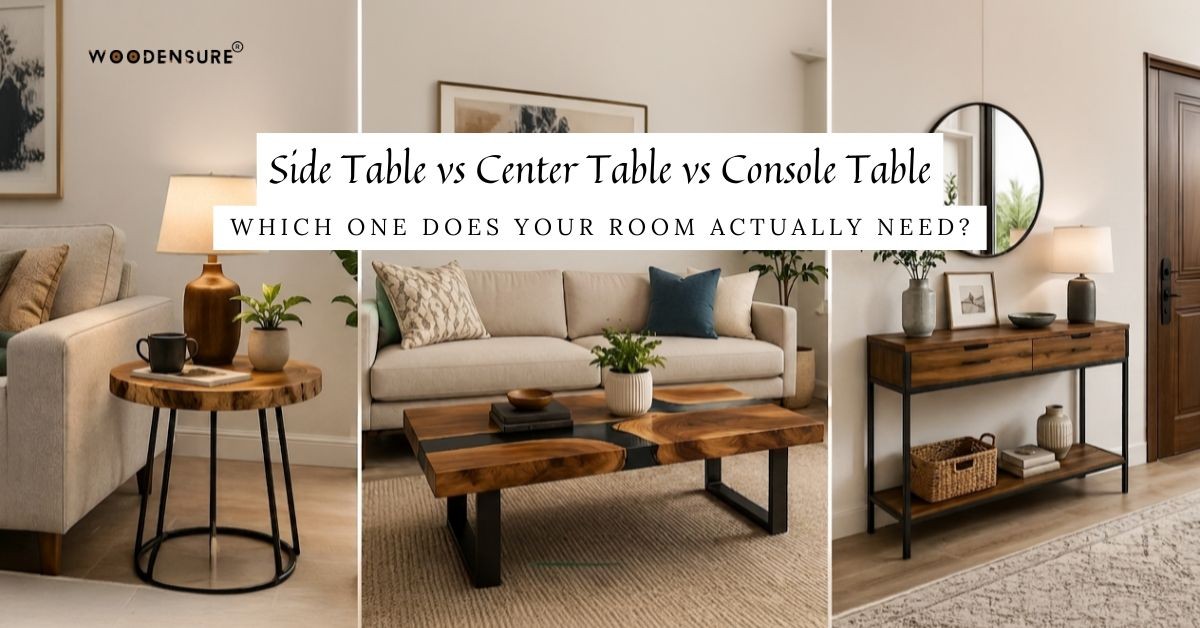

Side Table vs Center Table vs Console Table — Which One Does Your Room Actually Need?
A side table sits beside a sofa, bed, or armchair for everyday convenience items. A center table anchors the middle of a seating arrangement as the main surface for the living room. A console table is a narrow, tall table placed against a wall — typically in an entryway, hallway, or behind a sofa.
Many buyers get confused because all three are “tables,” but they solve different room problems. The right choice depends less on the table name and more on where you want to place it, how much surface area you need, and whether the table should support daily use, display, storage, or room styling.
Last Updated: 20 June 2026
Side Table vs Center Table vs Console Table: Quick Comparison
| Feature | Side Table | Center Table | Console Table |
|---|---|---|---|
| Placement | Beside sofa/bed/armchair | Center of seating area | Against a wall (entryway/hallway/behind sofa) |
| Primary Function | Holding everyday items (lamp, book, drink) | Main shared surface for the living room | Display + storage in narrow spaces |
| Typical Height | Sofa-arm height | Coffee-table height (lower) | Taller, console height |
| Typical Shape | Compact, often round/square | Larger, rectangular/round/oval | Narrow, long |
| Price Range | ₹2,999 – ₹16,500 | ₹9,000 – ₹45,700 | ₹8,500 – ₹27,250 |
| Best For | Small spaces, bedside, accent | Living rooms with a defined seating layout | Entryways, hallways, behind-sofa, narrow walls |
What Is a Side Table?
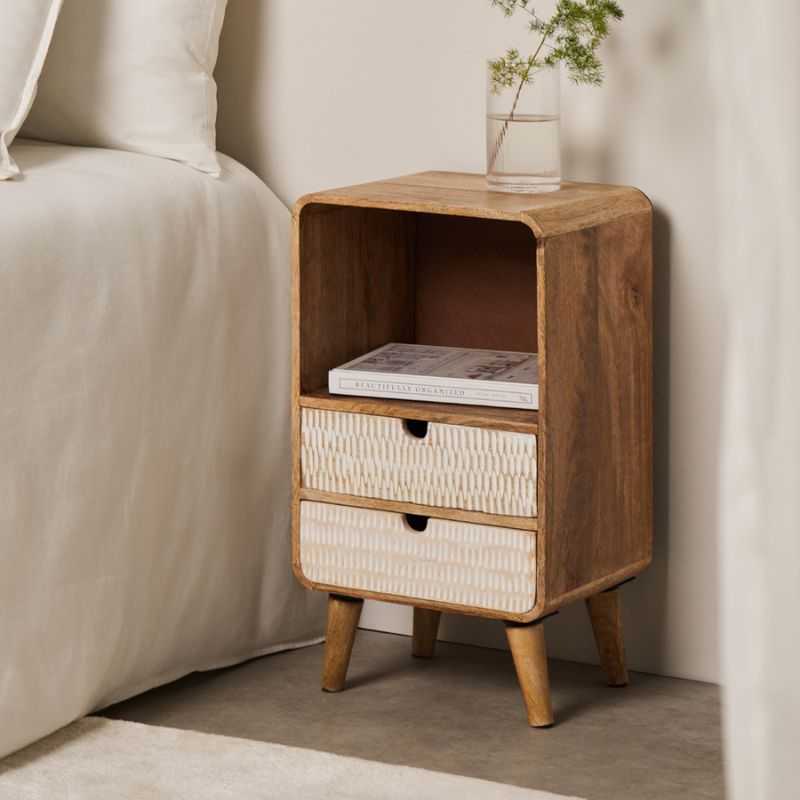
A side table is a compact table placed beside a sofa, bed, lounge chair, or armchair. Its main purpose is convenience. It gives you a nearby surface for items you use while sitting or relaxing — a lamp, coffee mug, book, mobile phone, remote, water bottle, or decorative object.
Unlike a center table, a side table does not need to serve the whole room. It usually supports one seat, one corner, or one side of a bed. That is why it works so well in compact apartments, bedrooms, reading corners, and living rooms where the center area needs to stay open.
At Woodensure, side tables are available in different design directions such as solid wood side tables, epoxy resin side tables, live edge side tables, and marble side tables with premium metal-frame styling. This makes the category flexible for both practical and decorative use.
Where Should You Use a Side Table?
Use a side table when you need a small surface close to where you sit or sleep. For example, if you want a lamp beside your bed, a cup of tea near your sofa, or a stylish accent beside an armchair, a side table is the right fit.
A side table is also a smart option when your living room is too small for a large center table. Instead of blocking the middle space, you can place one or two compact side tables near seating points and keep the room visually open.
Best Side Table Use Cases
- If you need a bedside surface for a lamp, charger, book, or glass of water, choose a side table.
- If you need a compact sofa companion for snacks, coffee, or remote controls, choose a side table.
- If you want to style an empty corner with a plant, sculpture, or table lamp, choose a side table.
- If your living room does not have enough walking space for a center table, choose side tables instead.
For more detailed design ideas, Read: Top Trending Bedside Table Designs for Lounge Rooms in 2026
What Is a Center Table?
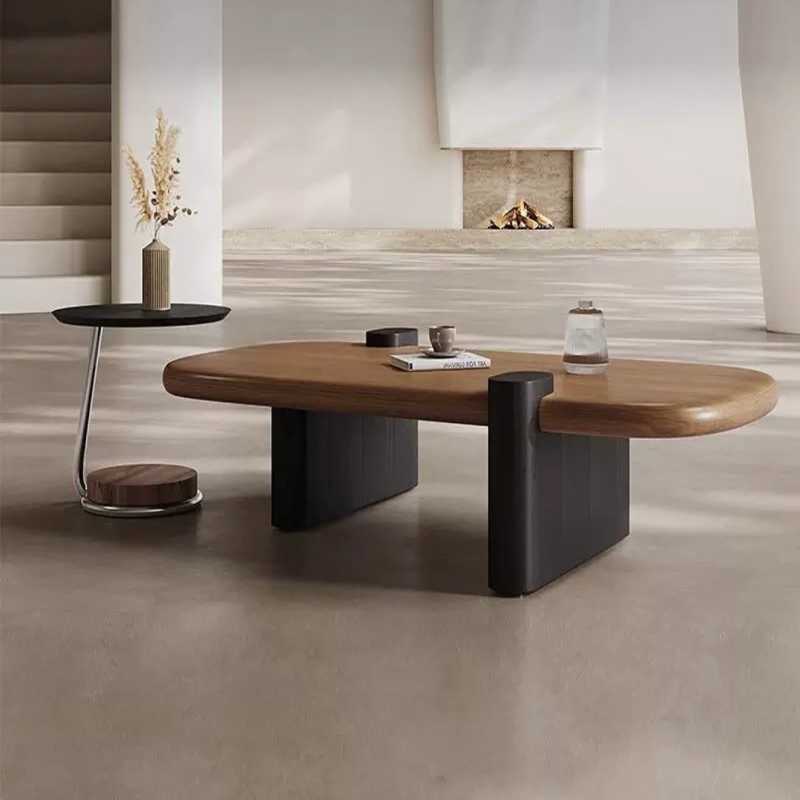
A center table, also commonly called a coffee table, is the main table placed in the middle of a living room seating arrangement. It usually sits in front of the sofa and works as the shared surface for the room.
Its job is different from a side table. A center table does not serve only one person or one corner. It anchors the seating area and gives the room a clear visual center. It can hold tea, coffee, snacks, books, trays, decor items, remotes, and sometimes storage baskets or hidden compartments depending on the design.
At Woodensure, coffee and center tables are available in materials such as solid wood, epoxy resin, live edge slabs, marble, acacia wood, sheesham wood, and mixed-material designs. Because center tables sit in the most visible part of the living room, their material and shape have a strong impact on the overall interior look.
Where Should You Use a Center Table?
Use a center table when your living room has a defined seating layout. This usually means a sofa set, sectional sofa, lounge chairs, or a conversation area where people sit around a central point.
A center table works best when there is enough walking space around it. It should feel useful, not like an obstacle. If the table is too large, the room feels crowded. If it is too small, the seating arrangement feels incomplete.
How to Measure for a Center Table
Before choosing a center table, measure your seating area. The table should be proportionate to your sofa and should leave comfortable movement space around it.
As a practical rule, the center table should be lower than or close to the sofa seat height, and its size should match the scale of the seating arrangement. A long sofa usually pairs better with a rectangular or oval table, while a compact sofa or balanced seating layout can work with a round or square table.
Do not buy a center table only because it looks attractive in a product image. First check your sofa size, available floor space, walking path, and how many people will use the surface regularly.
For a deeper guide on shapes, materials, and trends, Read: Types of Center Table Designs Explained: Shapes, Materials & Trends
What Is a Console Table?
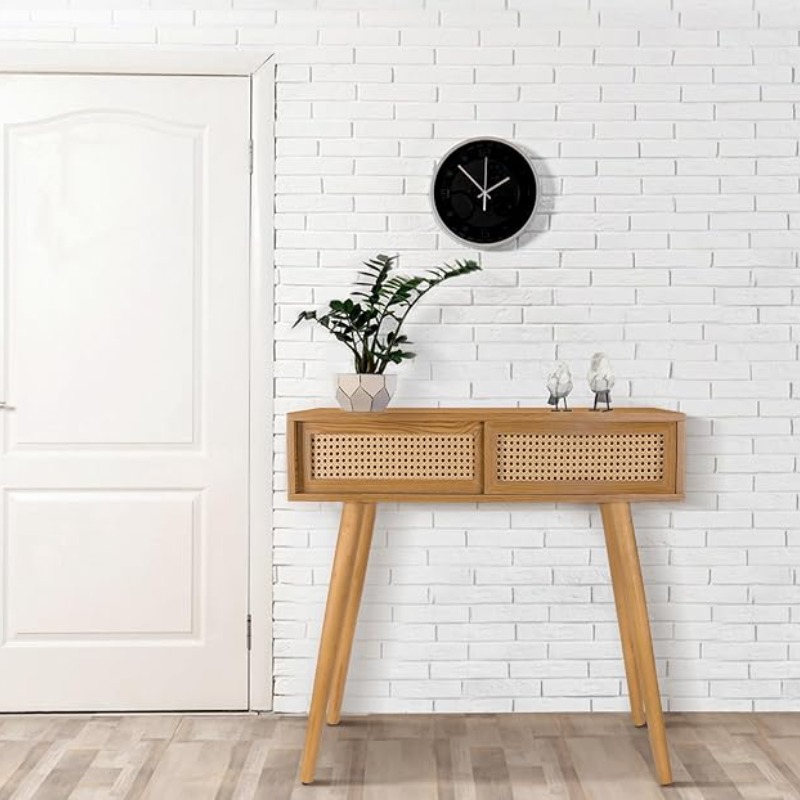
A console table is a narrow, taller table designed to sit against a wall, behind a sofa, in an entryway, or along a hallway. Its profile is usually slim and long, which makes it useful in spaces where a wider table would block movement.
The main purpose of a console table is display, storage, and styling. It can hold keys, wallets, lamps, mirrors, plants, vases, decor pieces, books, baskets, or daily essentials. In Indian homes, console tables are especially useful because they help turn empty walls and narrow corners into functional spaces.
A console table is not meant to replace a center table in the middle of a living room. It is also usually taller than a side table, so it may not feel comfortable beside a low sofa or bed unless the height matches the use case.
Where Should You Use a Console Table?
- Use a console table in an entryway when you want a welcoming first impression and a place for keys, wallets, sunglasses, parcels, or decor.
- Use it in a hallway when the wall feels empty but the passage is too narrow for bulky furniture.
- Use it behind a sofa when the back of the sofa is visible and you want to create a finished, styled look.
- Use it against a dining room or living room wall when you need an extra surface for lamps, trays, books, or decorative items.
Woodensure console tables include design directions such as solid wood console tables, rustic wood console tables, live edge console tables, console tables with drawers, and modern wooden console tables with metal bases.
Side-by-Side: How to Choose Based on Your Room
The easiest way to choose between a side table, center table, and console table is to start with your room problem.
- Do you need a table beside where you sit or sleep? Choose a side table.
- Do you need a main shared surface in the middle of your living room? Choose a center table.
- Do you need to style a wall, hallway, entryway, or behind-sofa space? Choose a console table.
If You Have a Small Bedroom or Limited Space
Choose a side table.
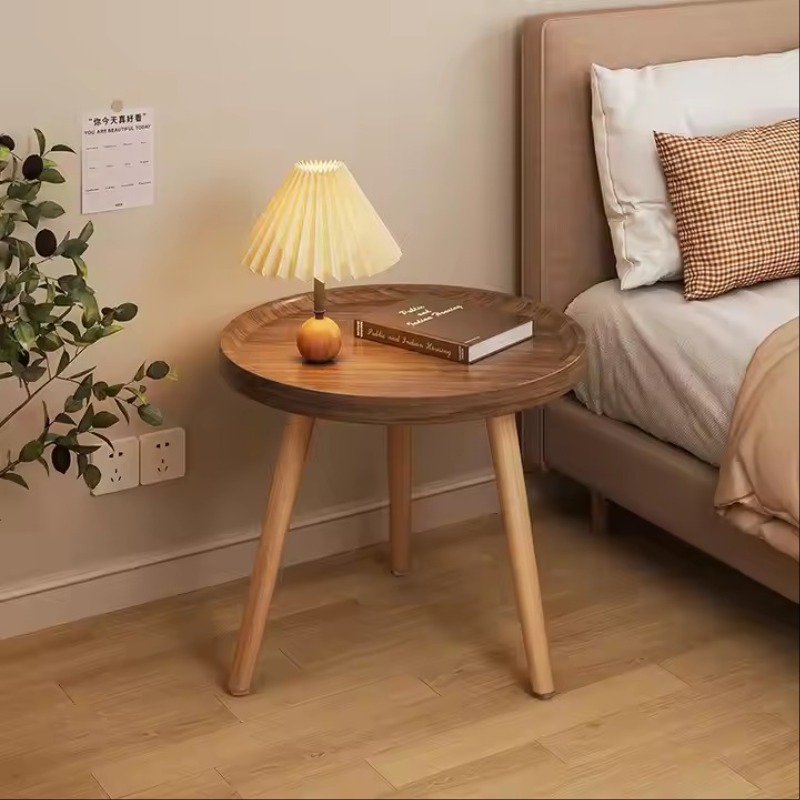
A side table is best when space is limited because it gives you function without taking over the room. In a small bedroom, it can work as a nightstand. In a compact living room, it can replace a bulky center table. Beside an armchair, it can create a complete reading corner.
Best fit:
- Small bedroom
- Compact apartment
- Bedside use
- Armchair corner
- Sofa-side placement
- Reading nook
- Small living room with limited floor space
If You Have a Defined Living Room Seating Arrangement
Choose a center table.
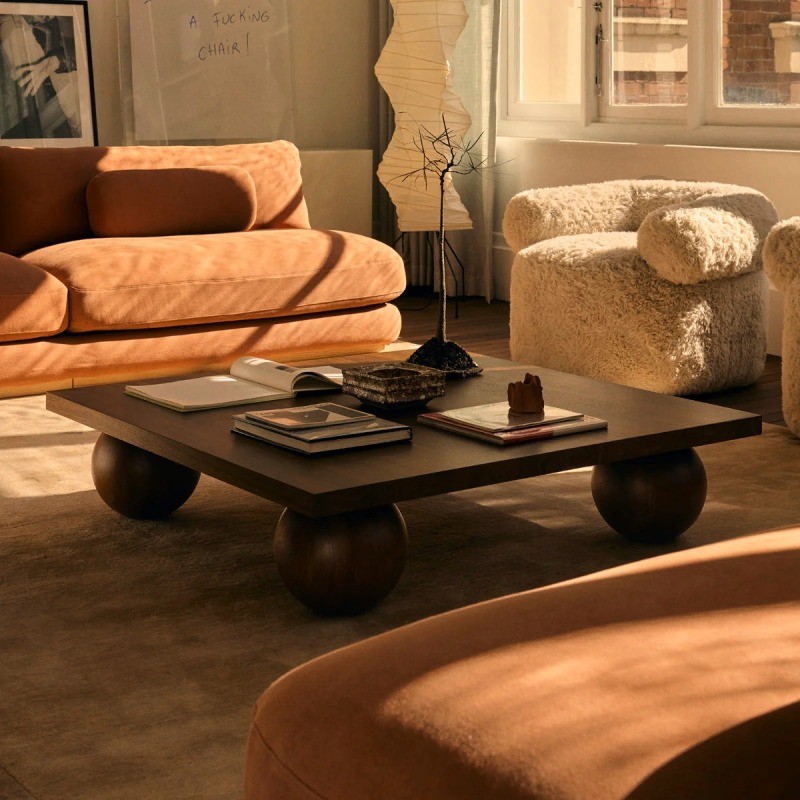
A center table works best when the seating layout already has a clear middle area. If your sofa, chairs, or sectional are arranged around a central point, the center table completes that layout. It gives the room balance and creates a shared surface for family, guests, tea, snacks, books, and decor.
Best fit:
- Living room
- Drawing room
- Sofa set layout
- Sectional sofa layout
- Family seating area
- Guest seating area
- Rooms where people gather around one central surface
If You Have an Entryway, Hallway, or Empty Wall Behind Your Sofa
Choose a console table.
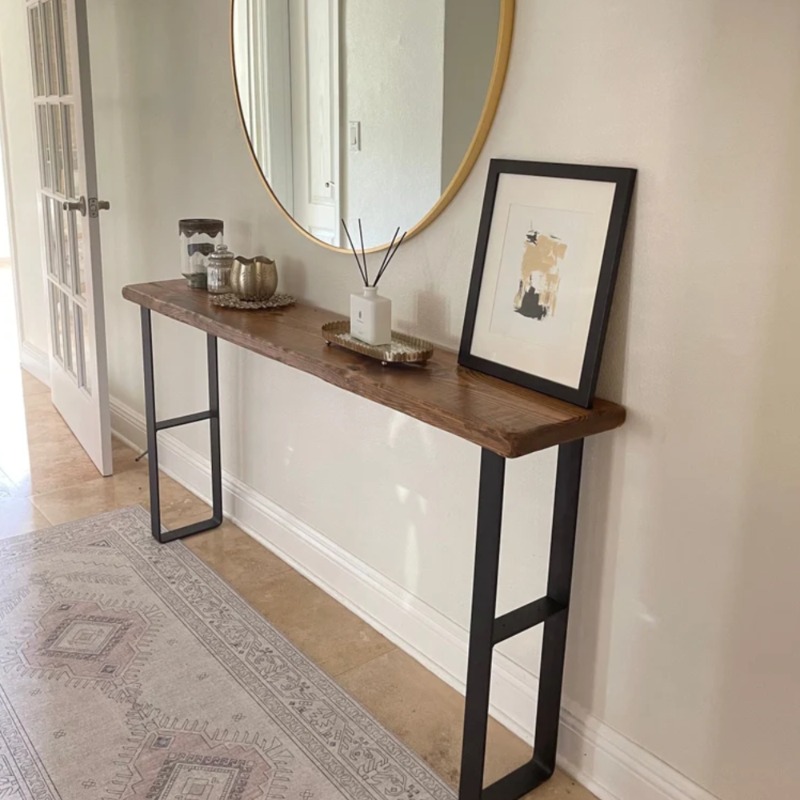
A console table is ideal when the problem is not seating convenience but wall styling or narrow-space storage. It can make an entrance look more complete, make a hallway more useful, or turn the back of a sofa into a premium design feature.
Best fit:
- Entryway
- Foyer
- Hallway
- Behind sofa
- Empty living room wall
- Dining wall
- Bedroom wall
- Narrow apartment passage
Can One Table Serve Two Purposes?
Sometimes, yes — but only when the height, size, and placement match.
A side table can sometimes work as a small bedside table or sofa-end table because the height and use case are similar. A console table can sometimes work as a display table, entryway table, hallway table, or behind-sofa table because all these uses need a narrow wall-facing surface.
But a console table usually cannot replace a center table because it is too tall and narrow for the middle of a seating layout. A center table usually cannot replace a side table because it is too large and too low for bedside or sofa-side convenience. A side table usually cannot replace a console table in an entryway because it may be too small and visually under-scaled against a long wall.
3-Question Decision Quiz
Question 1: Where will the table be placed?
- Beside a sofa, bed, or armchair → Side Table
- In the middle of a sofa seating layout → Center Table
- Against a wall, in a hallway, entryway, or behind sofa → Console Table
Question 2: What do you need it for?
- Daily convenience items → Side Table
- Shared living room surface → Center Table
- Display, styling, keys, storage, or wall completion → Console Table
Question 3: How much floor space do you have?
- Very limited space → Side Table
- Open center space in living room → Center Table
- Narrow wall space or passage → Console Table
Common Mistakes Buyers Make
Mistake 1: Buying a Center Table That Is Too Large
A center table should support the seating area, not block it. If the table is too big, walking around the sofa becomes uncomfortable and the room feels crowded. Always measure the available space before buying.
Mistake 2: Buying a Center Table That Is Too Small
A very small center table can look lost in front of a large sofa or sectional. It may also fail to provide enough surface area for daily use. The table should feel visually connected to your sofa size.
Mistake 3: Using a Side Table Where a Console Table Is Needed
A side table may look too short or too small against a long entryway wall or behind a sofa. If your goal is to style a wall, hold a mirror, or create an entryway setup, a console table is usually the better choice.
Mistake 4: Ignoring Table Height
Height matters more than many buyers realize. A side table should feel comfortable beside a seat or bed. A center table should sit lower in the living room. A console table should be tall enough for wall styling, display, and entryway use.
Mistake 5: Ignoring Walking Space Around Console Tables
A console table is slim, but it still needs proper placement. In a narrow hallway, choose a design with less depth so people can move comfortably. A beautiful console table should not interrupt the natural flow of the room.
Mistake 6: Choosing Only by Looks
Material, size, height, and function matter as much as design. A marble side table may look premium, a live edge center table may become the room’s statement piece, and a solid wood console may add warmth to an entryway — but the final choice should match the room’s actual use.
Best Table Choice by Room Type
| Room / Area | Best Table Type | Why This Table Works Best |
|---|---|---|
| Small Bedroom | Side Table | Works as a compact bedside surface for a lamp, phone, charger, book, and water glass without taking too much space. |
| Large Bedroom | Side Table + Console Table | Side tables work beside the bed, while a console table can style an empty bedroom wall. |
| Living Room with Sofa Set | Center Table | Creates a shared surface and anchors the full seating arrangement. |
| Compact Living Room | Side Table or Small Center Table | Side tables save floor space, while a small center table works if there is enough walking space. |
| Drawing Room | Center Table | Gives guests and family a common surface for tea, snacks, decor, and daily use. |
| Entryway / Foyer | Console Table | Creates a premium first impression and provides space for keys, wallets, trays, lamps, and decor. |
| Hallway | Console Table | Adds function and style to a narrow passage without using too much depth. |
| Reading Corner | Side Table | Keeps books, coffee, lamp, glasses, and reading essentials close to the chair. |
| Behind Sofa | Console Table | Covers the empty sofa back and creates a useful styling or display surface. |
| Dining Room Wall | Console Table | Can hold serveware, decor, lamps, plants, or storage baskets. |
| Balcony Seating Corner | Side Table | Provides a small surface for tea, snacks, plants, or books. |
| Empty Living Room Wall | Console Table | Makes the wall useful and decorative without adding bulky furniture. |
| Family Lounge Area | Center Table | Gives everyone a shared surface for snacks, games, remotes, and decor. |
| Bedside Area | Side Table | Best for personal convenience items used while sleeping or relaxing. |
| Narrow Apartment Passage | Slim Console Table | Gives storage and display space while keeping movement flow open. |
Material Guide: Which Table Material Should You Choose?
Solid Wood
Solid wood is a strong choice for side tables, center tables, and console tables. It brings warmth, durability, and a natural premium look. Solid wood works especially well in Indian homes because it blends with both modern and traditional interiors.
Live Edge Wood
Live edge tables highlight the natural shape and grain of the wood. They are best when you want the table to become a statement piece. Live edge works beautifully for center tables and console tables because these pieces are more visible in the room.
Epoxy Resin
Epoxy resin tables combine natural wood with artistic resin patterns. They work well for buyers who want a unique, luxury, custom-looking surface. Epoxy resin is especially popular in center tables and accent side tables.
Marble
Marble adds a luxury look and works well in side tables and premium center tables. Marble with gold or metal frames is suitable for modern, luxury, and hotel-inspired interiors.
Metal Base
Metal-base tables are useful when you want a modern, industrial, or luxury look. Metal frames also help create slim, open designs, especially in console tables and marble side tables.
Also Read: How to Clean Outdoor Furniture: Step-by-Step Guide for Every Material
Side Table vs Center Table vs Console Table: Final Buying Rule
Choose a side table if the table needs to support one seat, one bed, or one corner.
Choose a center table if the table needs to support the whole living room seating area.
Choose a console table if the table needs to support a wall, entryway, hallway, or behind-sofa space.
This simple placement rule solves most confusion. Once placement is clear, you can choose the material, shape, finish, and price range that matches your home.
Quick Recap
The right table depends on placement first, then function, size, and material. If you want everyday convenience near your seat, choose a side table. If you want to complete your sofa layout, choose a center table. If you want to style or organize a narrow wall space, choose a console table.
Author Bio
Author Bio:
Written by the Woodensure Editorial Team, this guide helps homeowners understand furniture types, materials, placement, and room-wise buying decisions for modern Indian homes.