
Epoxy Resin Design: Colors, Techniques, Textures & Trends
Why epoxy resin design trending? Learn colors, techniques, textures, furniture ideas, pricing insights, interior trends, and expert customization by Woodensure.
What Is Epoxy Resin Design?
Epoxy resin design refers to the creative and functional use of epoxy resin to enhance furniture, interiors, flooring, and decorative elements. Known for its durability, seamless finish, and artistic flexibility, epoxy resin has become a defining material in modern interiors and custom furniture. From epoxy resin furniture and epoxy resin flooring designs to artistic wall panels and tables, this material bridges aesthetics with long-term performance.
In recent years, epoxy resin design has evolved beyond industrial applications into homes, offices, hospitality spaces, and luxury interiors. According to global interior materials research, the epoxy resin market is growing at an estimated 6–7% CAGR, driven largely by demand for custom epoxy resin furniture, modern décor, and seamless surfaces.
Understanding Epoxy Resin Design in Modern Interiors
Epoxy resin design combines liquid resin with hardeners to create a strong, glass-like surface after curing. This chemical reaction forms a non-porous, moisture-resistant, and highly customizable finish, making it ideal for both functional and decorative epoxy resin applications.
What makes epoxy resin design especially popular today is its adaptability. Designers can experiment with epoxy resin colors, epoxy resin patterns, textures, and finishes to create one-of-a-kind surfaces that traditional materials cannot achieve.
In epoxy resin interior design, the material is used to:
- Create seamless visual continuity
- Enhance natural materials like wood and stone
- Achieve high-end finishes at scalable costs
- Support both minimalist and artistic design styles
Popular Epoxy Resin Colors Shaping Contemporary Design
Color plays a critical role in epoxy resin design, influencing both visual impact and spatial perception. Advances in pigments and metallic powders have expanded the color palette dramatically.
Trending Epoxy Resin Colors
Modern epoxy resin designs frequently feature:
- Neutral tones such as white, beige, grey, and sand for minimalist interiors
- Metallic shades like gold, silver, copper, and bronze for luxury spaces
- Deep blues, emerald greens, and blacks inspired by natural elements
- Transparent and translucent resins to highlight wood grains and embedded materials
According to interior trend forecasts, metallic epoxy resin colors are among the fastest-growing segments in decorative epoxy resin due to their reflective depth and premium appearance.
Epoxy resin furniture manufacturers in India increasingly customize colors based on regional preferences, climate conditions, and interior themes, making color selection a strategic design decision rather than a purely aesthetic one.
Epoxy Resin Techniques Used by Designers and Craftsmen
The versatility of epoxy resin design lies in the variety of techniques used to manipulate flow, texture, and finish. These techniques require experience, precision, and an understanding of curing behavior.
Common Epoxy Resin Techniques
- Self-leveling technique for smooth floors and tabletops
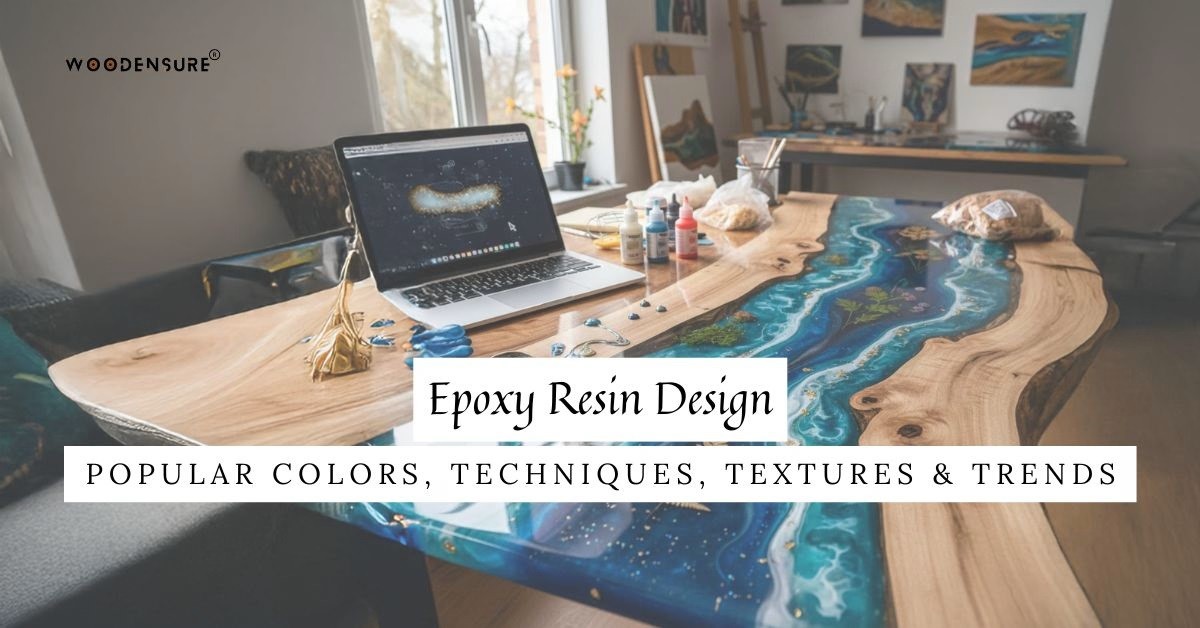
- River pour technique, widely used in epoxy resin wood table designs
- Marble and stone effect technique for luxury flooring and wall panels
- Layered casting technique for deep, three-dimensional epoxy resin art ideas
- Textured pouring technique to create natural movement and depth
Professional epoxy resin furniture manufacturers in India emphasize controlled curing temperatures and precise resin-to-hardener ratios, as improper techniques can affect durability and finish quality.
Epoxy Resin Textures and Surface Finishes Explained
Texture is a defining element of epoxy resin design, impacting both aesthetics and functionality. Unlike traditional materials, epoxy allows complete control over surface feel.
Types of Epoxy Resin Textures
Epoxy resin textures commonly include:
- Ultra-smooth, glass-like surfaces
- Subtle matte textures for contemporary interiors
- Anti-slip textures for epoxy resin flooring designs
- Raised and sculpted textures for artistic applications
Epoxy Resin Finishes
Epoxy resin finishes determine the final look and maintenance requirements:
- High-gloss finishes enhance color depth and reflect light
- Matte finishes offer a soft, modern appearance
- Satin finishes balance elegance and practicality
Studies in interior materials durability show that high-gloss epoxy resin finishes can last over 15–20 years in residential use with proper maintenance.
Epoxy Resin Trends Influencing Furniture and Interiors
The current epoxy resin trend reflects a shift toward personalization, sustainability, and artistic expression. Designers are increasingly combining epoxy resin with natural materials to create functional art.
Key Epoxy Resin Trends
- Sustainable, low-VOC epoxy formulations
- Natural stone and terrazzo-inspired epoxy resin patterns
- Custom epoxy resin furniture with embedded elements
- Seamless epoxy resin interior design concepts
- Statement furniture pieces replacing mass-produced items
The demand for epoxy resin furniture manufacturers in India has increased significantly due to growth in custom residential and commercial interiors.
Also read out: 10 Best Wedding Gift Ideas for Newlywed Couple in 2025-2026
Epoxy Resin Furniture: Where Art Meets Function
Epoxy resin furniture is one of the most popular applications of epoxy resin design today. It combines structural strength with artistic freedom, allowing furniture to become a focal point rather than a background element.
Popular Epoxy Resin Furniture Types
Epoxy furniture commonly includes:
- Epoxy resin table designs for dining and living spaces
- Epoxy resin coffee table and center table for modern homes
- Epoxy resin side table and epoxy resin nesting table for compact spaces
- Epoxy resin office table for contemporary work environments
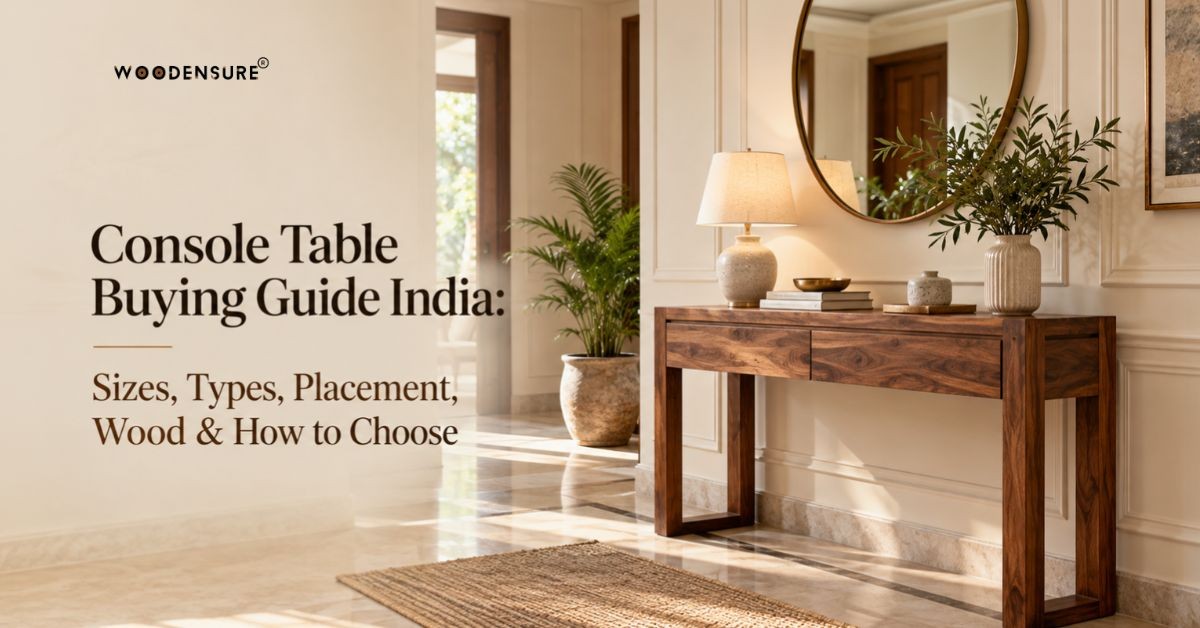
- Epoxy resin console table for entryways and hallways
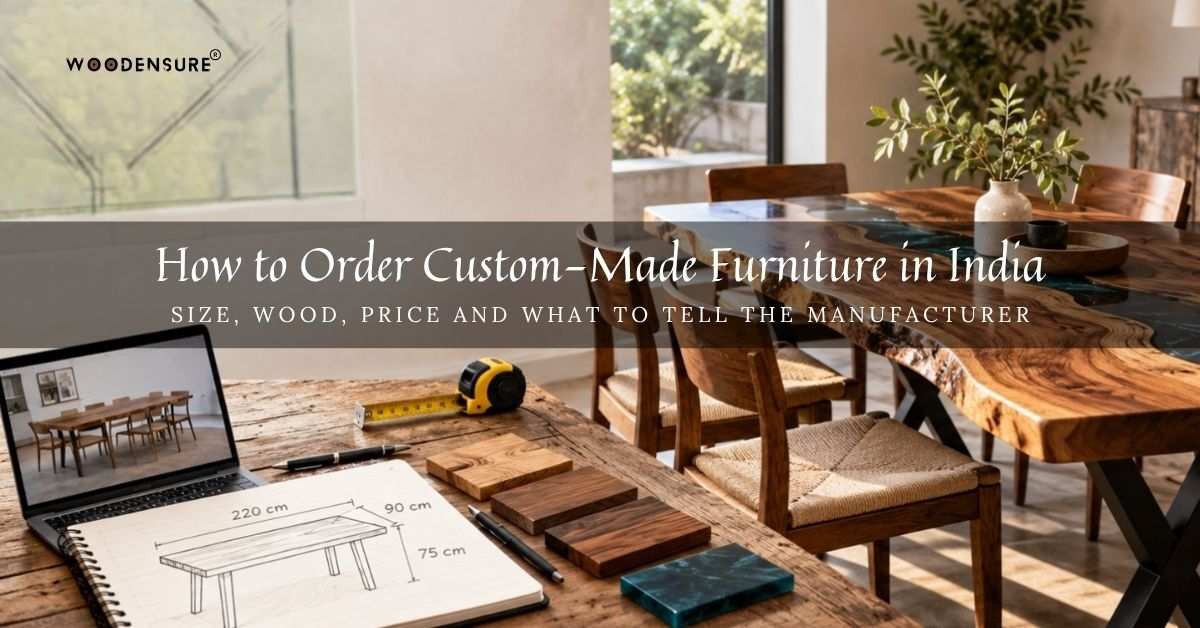
Custom epoxy resin furniture allows clients to choose wood species, resin colors, patterns, and finishes, making every piece unique.
Epoxy Resin Dining Tables and Wood Tables
The epoxy resin dining table is among the most sought-after furniture pieces today. Combining solid wood slabs with flowing resin creates a dramatic visual effect while maintaining strength.
Epoxy resin wood table designs are especially popular because:
- They preserve natural wood imperfections
- Resin fills cracks and voids for structural integrity
- Each table becomes a one-of-a-kind centerpiece
High-quality epoxy resin tables can support heavy loads and resist moisture, making them suitable for both residential and hospitality environments.
Decorative and Functional Epoxy Resin Furniture Applications
Beyond tables, epoxy resin furniture extends into various functional and decorative elements:
- Epoxy resin benches for indoor and outdoor use
- Epoxy resin headboard designs for luxury bedrooms
- Epoxy resin door panels for modern architecture
- Epoxy resin wall shelves for minimalist storage
- Epoxy resin wall mounted table solutions for compact interiors
These creative epoxy resin projects demonstrate how epoxy can replace traditional materials while enhancing visual appeal.
Epoxy Resin Art and Wall Applications
Epoxy resin art ideas have gained popularity in both residential and commercial spaces. Artists and designers use epoxy resin wall arts to create depth, movement, and color transitions that are impossible with paint alone.
Common Wall Applications
- Epoxy resin wall arts as statement décor
- Epoxy resin wall shelves combining storage and design
- Decorative epoxy resin panels for hotels and offices
Epoxy resin interior design increasingly incorporates wall-mounted features to create immersive environments.
Epoxy Resin Flooring Designs: Performance and Style
Epoxy resin flooring designs are widely used in homes, offices, hospitals, and commercial spaces due to their durability and hygiene benefits.
Key advantages include:
- Seamless and joint-free surfaces
- High resistance to moisture, stains, and chemicals
- Customizable epoxy resin patterns and textures
According to construction material data, epoxy resin flooring can reduce maintenance costs by up to 40% compared to traditional tile flooring over a 10-year period.
Epoxy Resin Price: What Influences Cost?
The epoxy resin price varies based on multiple factors, including material quality, design complexity, and application area.
Factors Affecting Epoxy Resin Price
- Type of epoxy resin used
- Thickness of application
- Custom colors and patterns
- Surface preparation requirements
- Furniture size and design complexity
In India, epoxy resin furniture prices typically range from mid-range to premium, depending on customization and craftsmanship. Custom epoxy resin designs generally cost more but offer unmatched uniqueness and durability.
Safety, Durability, and Maintenance of Epoxy Resin Design
Safety and long-term performance are critical aspects of epoxy resin design.
Once fully cured, epoxy resin is:
- Non-toxic
- Safe for residential use
- Resistant to moisture and bacteria
Proper ventilation during installation and professional application are essential for achieving safe and durable results. Regular cleaning with mild solutions helps maintain epoxy resin finishes for years.
Conclusion: Why Epoxy Resin Design Is the Future
Epoxy resin design continues to redefine modern interiors by combining durability, customization, and artistic freedom. Whether used in epoxy resin furniture, epoxy resin flooring designs, or decorative wall elements, epoxy resin offers limitless possibilities for designers, homeowners, and architects.
As epoxy resin trends continue to evolve, the focus remains on sustainable materials, handcrafted quality, and unique design expressions. With woodensure, growing expertise among epoxy resin furniture manufacturers in India, epoxy resin is set to remain a cornerstone of modern interior design for years to come.