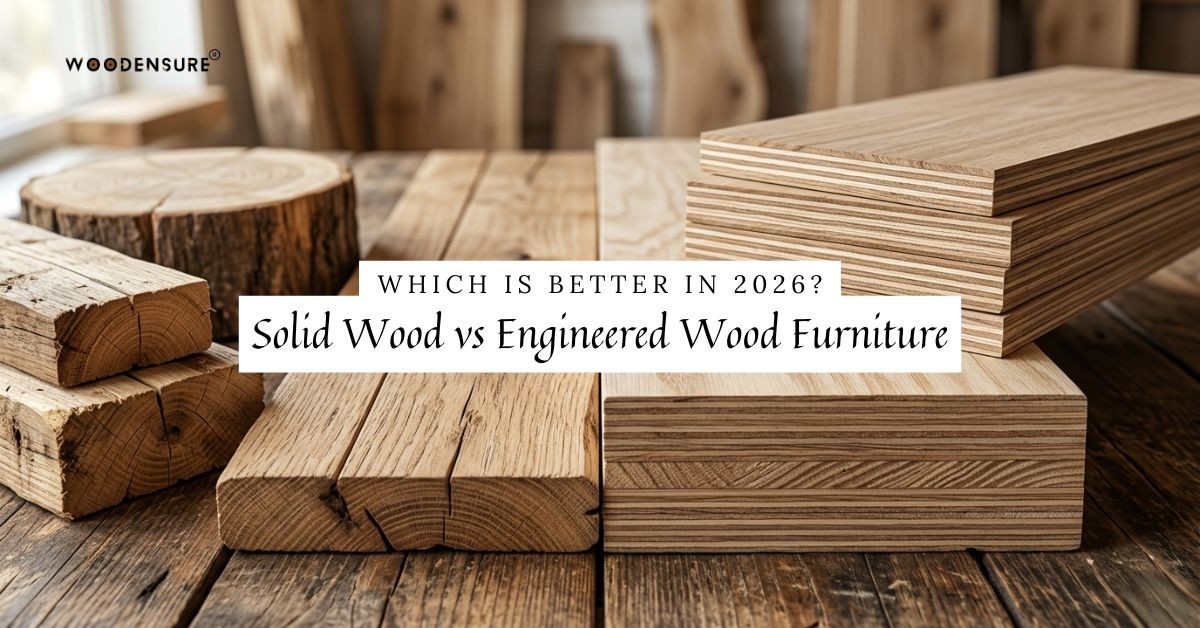

Solid Wood vs Engineered Wood Furniture: Which is Better in 2026?
Buying furniture today is more confusing than ever—especially in India, where options have exploded over the last decade. Whether you're furnishing a new home or upgrading your interiors, one question almost every buyer faces is:
Should you choose solid wood or engineered wood furniture?
At first glance, engineered wood furniture seems like a smart choice. It’s affordable, modern-looking, and easily available online. On the other hand, solid wood furniture comes with a higher price tag but promises durability, strength, and timeless appeal.
This creates a classic dilemma:
Should you save money now or invest for the long term?
Many homeowners end up choosing cheaper furniture, only to replace it within a few years due to wear and tear. Others invest in solid wood and enjoy decades of use.
In this complete guide, we’ll break down:
- The difference between solid wood and engineered wood
- Their pros and cons
- Which is better for Indian homes
- How to make the right decision based on your needs
By the end, you’ll have a clear answer—not just based on theory, but on practical, real-life usage.
What is Solid Wood Furniture?
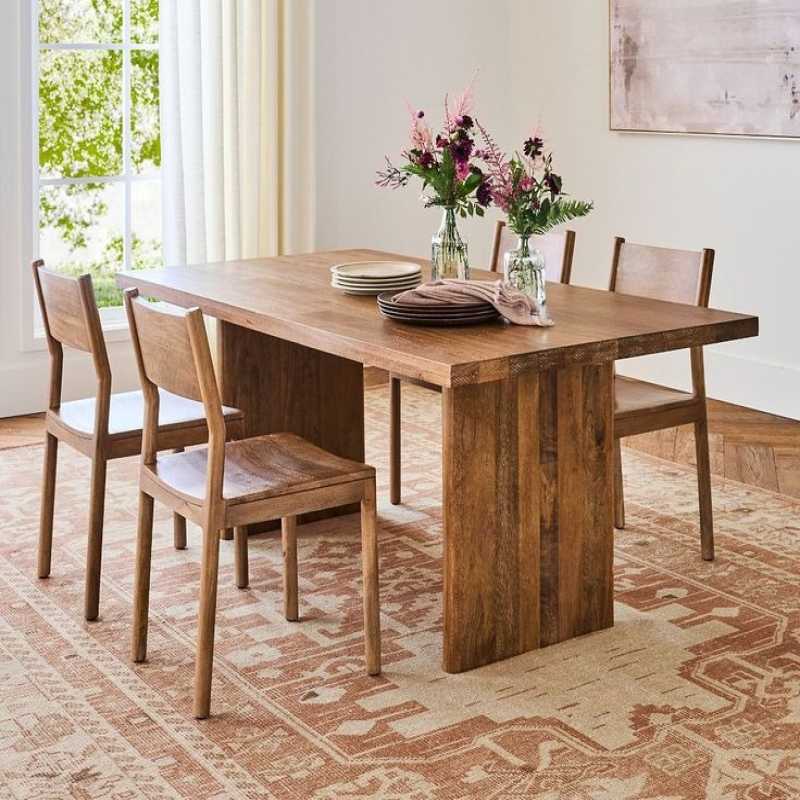
Solid wood furniture is made entirely from natural wood, typically cut from trees and processed into planks or boards. Unlike engineered materials, it contains no artificial fillers or compressed layers.
Common Types of Solid Wood in India
Some of the most popular woods used in Indian furniture include:
- Sheesham (Indian Rosewood) – Strong, durable, and widely used
- Teak Wood – Premium quality, highly resistant to moisture
- Mango Wood – Sustainable and affordable option
- Acacia Wood – Known for strength and unique grain patterns
Key Features of Solid Wood Furniture
- Exceptional durability – Can last 20–50 years or more
- Natural beauty – Unique grain patterns and textures
- High strength – Suitable for heavy use
- Repairable – Can be polished, sanded, and restored
- Timeless appeal – Never goes out of style
Where Solid Wood is Commonly Used
- Beds
- Dining tables
- Sofa Cum Beds
- Cabinets and wardrobes
- Wall Shelves
- Side Tables
Solid wood furniture is often considered a long-term investment, especially in Indian households where furniture is expected to last for generations.
What is Engineered Wood Furniture?
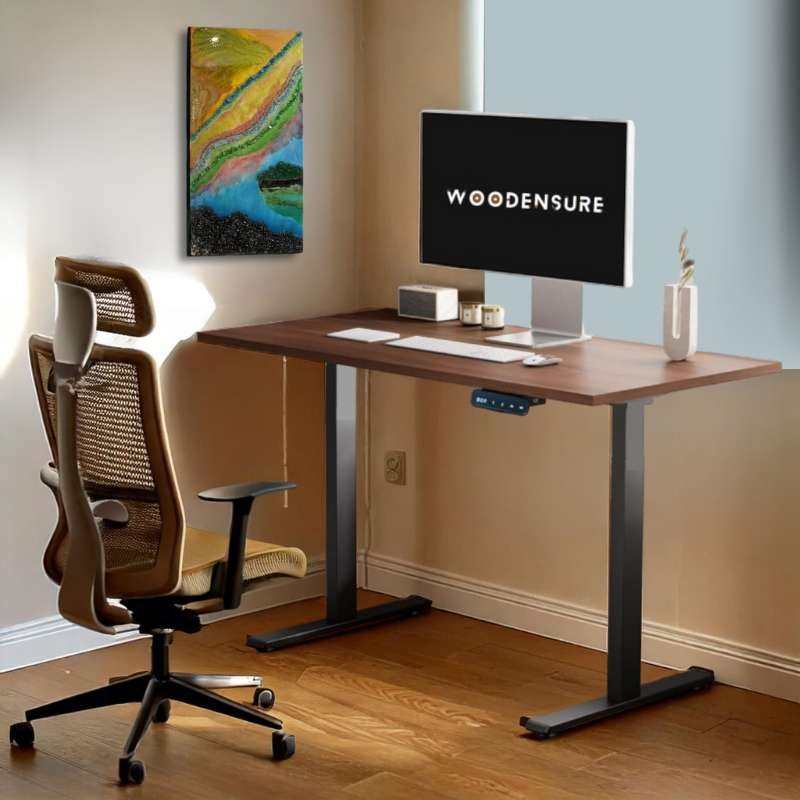
Engineered wood is a man-made material created by binding wood fibers, particles, or veneers together using adhesives and pressure.
Instead of using solid timber, manufacturers create boards that mimic the look of wood but at a lower cost.
Types of Engineered Wood
- MDF (Medium Density Fiberboard) – Smooth surface, used for indoor furniture
- Plywood – Stronger than MDF, made from layered veneers
- Particle Board – Cheapest option, made from compressed wood particles
Key Features of Engineered Wood
- Affordable – Much cheaper than solid wood
- Lightweight – Easy to move and install
- Uniform finish – Smooth and consistent look
- Mass production – Widely available
Where Engineered Wood is Used
- Modular furniture
- Wardrobes
- Office desks
- TV units
While engineered wood is popular for budget-conscious buyers, it comes with limitations in durability and lifespan.
Solid Wood vs Engineered Wood: Detailed Comparison
Let’s break down the difference clearly:
| Feature | Solid Wood | Engineered Wood |
|---|---|---|
| Durability | 20–50 years | 5–10 years |
| Strength | Very strong | Moderate |
| Price | High | Affordable |
| Appearance | Natural grain | Artificial finish |
| Maintenance | Moderate | Low |
| Repairability | Easy | Difficult |
| Moisture Resistance | Better | Poor |
| Lifespan | Long-term | Short-term |
Key Differences Explained
1. Durability
Solid wood easily lasts decades, while engineered wood typically needs replacement within 5–10 years.
2. Strength
Solid wood can handle heavy loads, making it ideal for beds and sofas. Engineered wood may sag or weaken over time.
3. Appearance
Solid wood offers natural grain patterns, while engineered wood uses laminates or veneers for a similar look.
4. Repair
Solid wood can be repaired and refinished. Engineered wood usually cannot.
Which is Better for Indian Homes?
This is where things get interesting—because India has unique conditions.
Factors to Consider:
- Climate: India experiences heat, humidity, and seasonal changes. Solid wood handles these conditions better when properly treated.
- Usage: Indian households often have heavy usage—joint families, frequent guests, daily wear.
- Long-Term Thinking: Most Indian buyers prefer long-lasting furniture rather than frequent replacements.
Final Verdict:
- Solid wood is better for long-term use in Indian homes
- Engineered wood is suitable for short-term or budget setups
When Should You Choose Engineered Wood?
To be fair, engineered wood is not a bad option—it just depends on your needs.
Choose engineered wood if:
- You are living in a rented house
- You have a tight budget
- You need temporary furniture
- You prefer lightweight pieces
Being honest about this builds trust—and helps buyers make smarter decisions.
Why Solid Wood Furniture is Worth the Investment
This is the most important section for decision-making.
1. Long Lifespan
Solid wood furniture can last 20–50 years or more.
2. Repair & Maintenance
You can polish, refinish, or repair it easily.
3. Better Value Over Time
Let’s break it down:
- Engineered wood bed: ₹15,000 (lasts 5 years)
- Solid wood bed: ₹50,000 (lasts 20 years)
Over 20 years:
- Engineered wood = ₹70,000 (replacements)
- Solid wood = ₹50,000
Solid wood is actually cheaper long-term.
4. Premium Look
Solid wood gives a rich, natural finish that improves with age.
Solid Wood vs Plywood vs MDF vs Particle Board
Let’s compare all materials quickly:
| Material | Strength | Price | Durability |
|---|---|---|---|
| Solid Wood | Very High | High | Excellent |
| Plywood | High | Medium | Good |
| MDF | Medium | Low | Moderate |
| Particle Board | Low | Very Low | Poor |
Summary:
- Solid wood = best quality
- Plywood = balanced option
- MDF/Particle board = budget choices
Related Blog: Acacia vs Sheesham vs Oak vs Teak: Which Wood is Best for Furniture?
How to Identify Real Solid Wood Furniture
Many sellers claim “solid wood” but actually sell engineered products. Here’s how to check:
- Look at the Grain: Real wood has natural, irregular grain patterns.
- Check the Weight: Solid wood is heavier than engineered wood.
- Inspect the Edges: No layers or compressed particles should be visible.
- Look for Joints: Solid wood furniture uses strong joinery techniques.
Best Solid Wood Furniture for Your Home
If you’re planning to invest, start with:
- Beds: Most important long-term furniture piece
- Sofas: Strong frames ensure durability
- Dining Tables: High usage furniture—worth investing in
- Wardrobes: Long-lasting storage solution
Conclusion
Choosing between solid wood and engineered wood furniture ultimately depends on your priorities.
If you want affordability and short-term use, engineered wood is a practical option.
But if you’re looking for durability, strength, and long-term value, solid wood is the clear winner.
In Indian homes—where furniture is used heavily and expected to last for years—solid wood stands out as the smarter investment.
Instead of replacing furniture every few years, investing once in high-quality solid wood can save money, effort, and frustration in the long run.
Final Call to Action
If you’re planning to invest in durable, high-quality furniture, explore solid wood options that are built to last for generations.
Choose wisely today—and your furniture will serve you for decades.